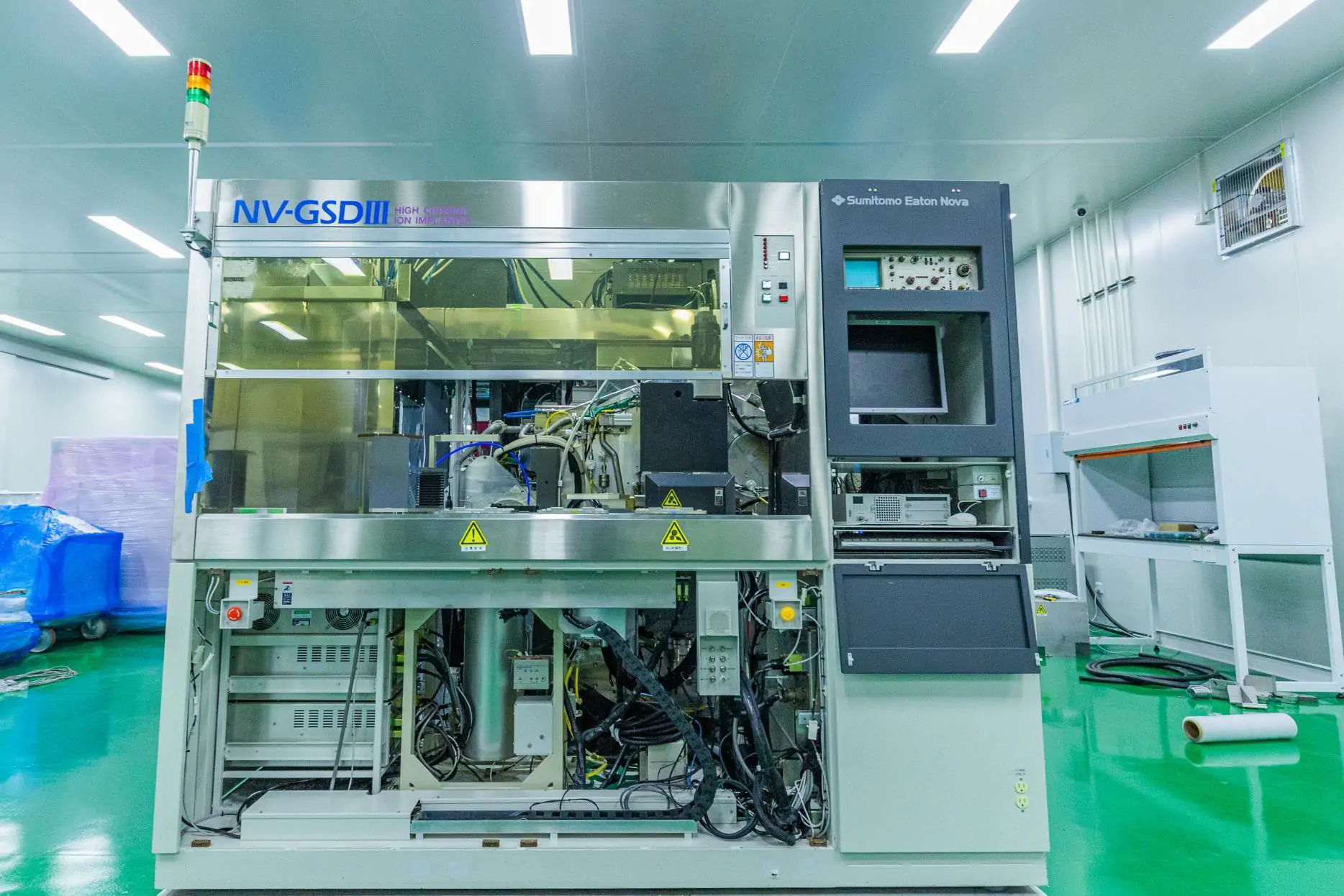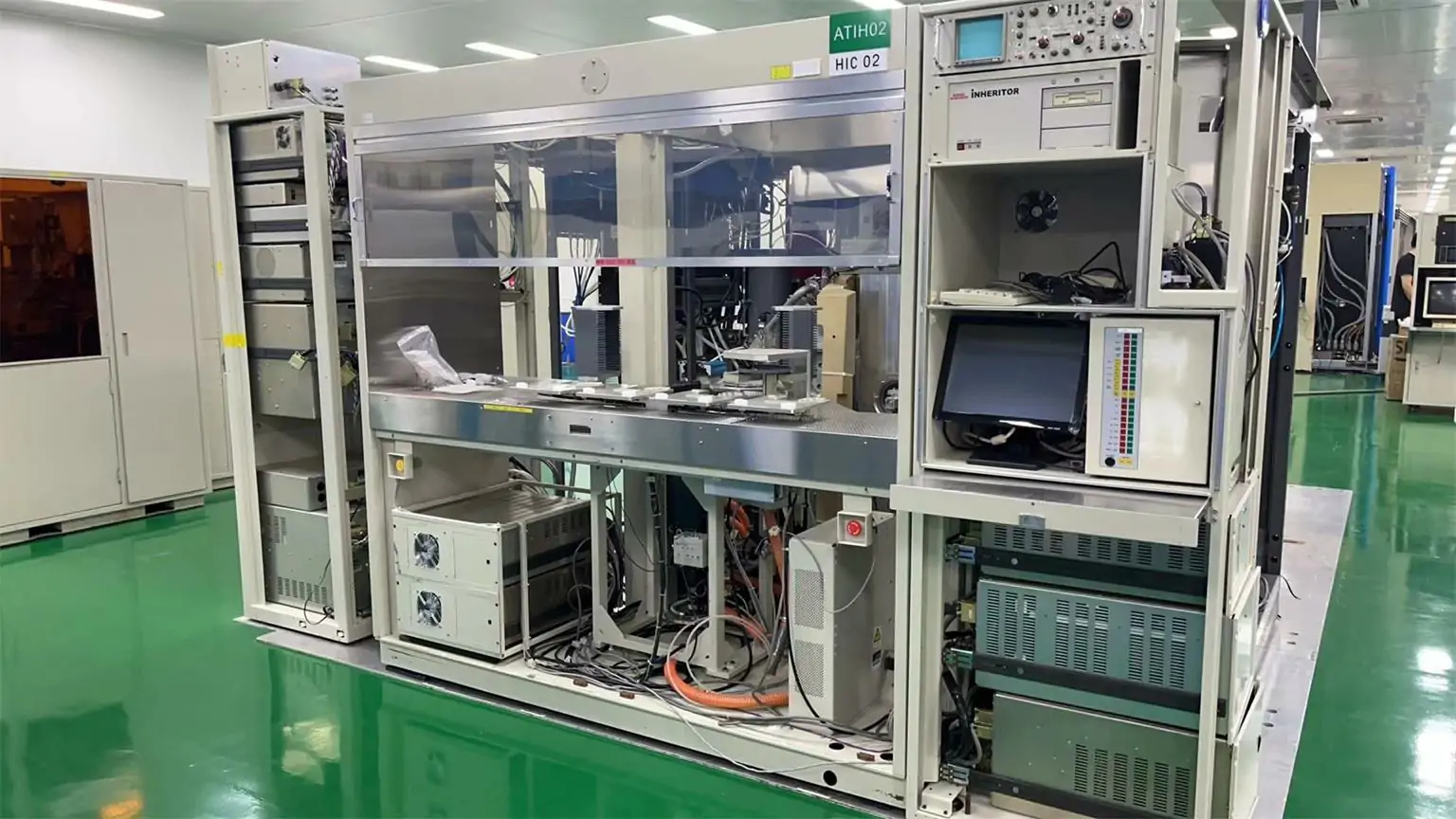
High-dose implantation plays a central role in forming source/drain regions and doping polysilicon in semiconductor manufacturing. The SEN 10GSD-A-160 belongs to the high-current ion implanter category, with applications in established wafer fabrication processes involving dopants such as boron, phosphorus and arsenic.
For this class of equipment, beam stability and implant angle directly affect dopant placement and profile consistency. The batch rotary end station allows wafer orientation to be controlled during implantation, helping manage channeling effects. Wafer size, available beam conditions and end-station configuration determine how the tool fits a particular production flow.
Power semiconductor devices, discrete components and sensors are potential application areas where the required implant conditions match the machine's configuration. Before integrating a used SEN 10GSD-A-160 into production, its installed options and operating condition should be checked against the target process.
SEN 10GSD-A-160 Main Specifications
| Manufacturer | SEN / Sumitomo Eaton Nova |
|---|---|
| Model | 10GSD-A-160 |
| Equipment Type | High-Current Ion Implanter |
| Supported Wafer Sizes | 150 mm and 200 mm, according to the available equipment listing |
| Implant Current Class | High current |
| Implant Energy Range | Must be confirmed from the installed high-voltage and beamline configuration |
| Ion Source | Source type, source-head components and approved species must be verified |
| Wafer End Station | Installed disk, cooling and implant-angle configuration must be confirmed |
| Dose Control | Installed Faraday, dose controller and calibration status must be inspected |
| Process Gases | Gas box, MFCs, safety equipment and dopant lines vary by machine |
| Control System | Controller hardware, operating software and recipe database must be confirmed |
| Condition | Used semiconductor equipment |
| Availability | Subject to current stock, inspection and configuration confirmation |