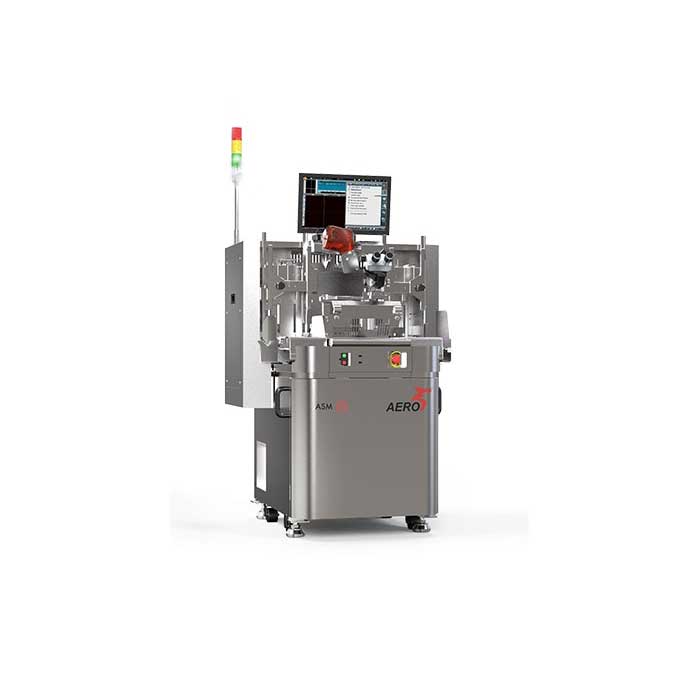
ASMPT AB589 Wire Bonder fully Automatic Bonding System
Fully automatic wire bonder. 6.5 wires/sec, ±10.2 μm accuracy. Bonding area 8" × 6" (203.2 × 152.4 mm). Rotary...
We stock used wire bonders from ASM / ASMPT, K&S, KAIJO, Shinkawa, Hesse and other platforms, covering ball bonding, wedge bonding and ribbon bonding processes. Every unit is run-tested on our floor before shipment and comes with a unit-specific condition report. Tell us your pad pitch, wire material, and production format, and we'll shortlist the machines that actually fit.
Current inventory of automatic and semi-automatic wire bonding equipment for IC packaging, LED assembly, discrete devices and power modules. Product availability, installed options and machine condition are confirmed per unit before quotation.
Looking for a model that is not shown? Send the manufacturer and full model number. We can check additional sourcing channels and current availability.
Fully automatic wire bonder. 6.5 wires/sec, ±10.2 μm accuracy. Bonding area 8" × 6" (203.2 × 152.4 mm). Rotary...
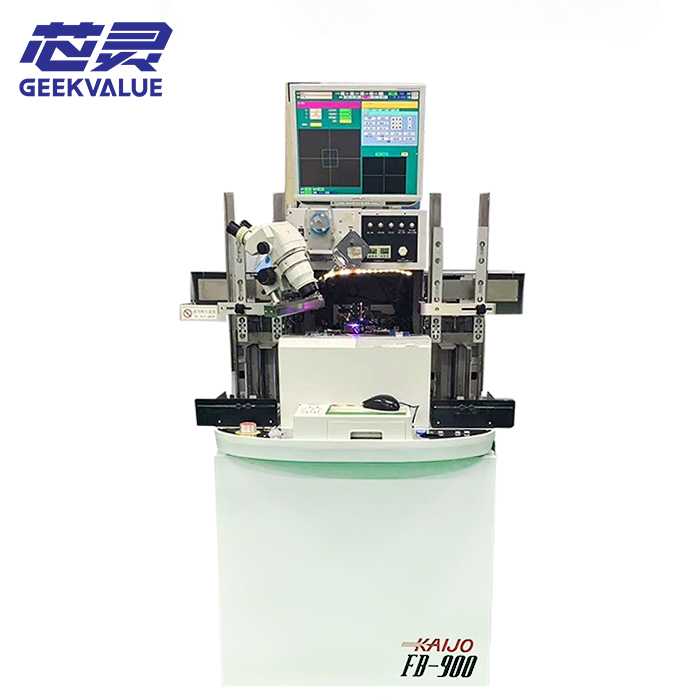
LED gold wire bonder. 48 ms per wire, dual-frequency ultrasonic, linear servo XY stage. Runs 3528, 5050, 0603, 0805, HIP...
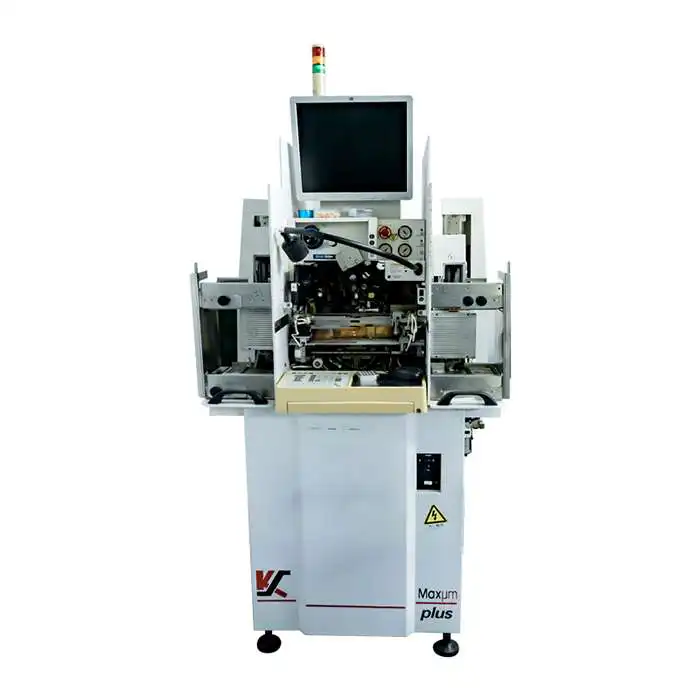
Ultra-fine pitch down to 35 μm, ±2.5 μm @ 3σ accuracy. Wire as thin as 15 μm, 63 ms cycle. Bonding area 56 × 66 mm.
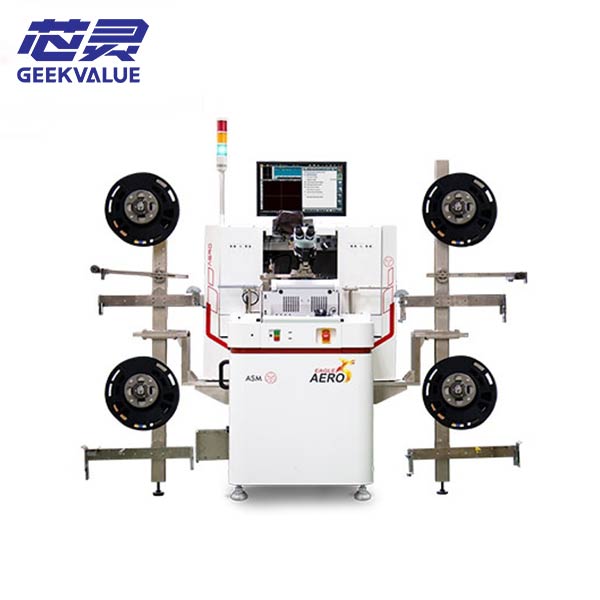
ASM Eagle Aero roll-to-roll wire bonder runs continuous fine-pitch bonding on strips. Forms 22 µm balls with 0.5mil wire...
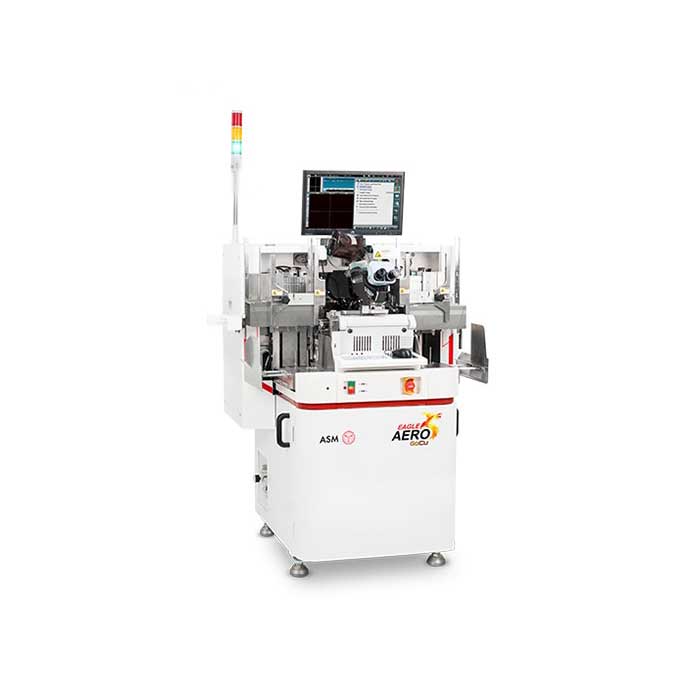
ASMPT Eagle AERO thermosonic wire bonder for high-end IC packaging. 30% higher UPH, 2.0μm accuracy, 0.5mil wire, AeroEye...
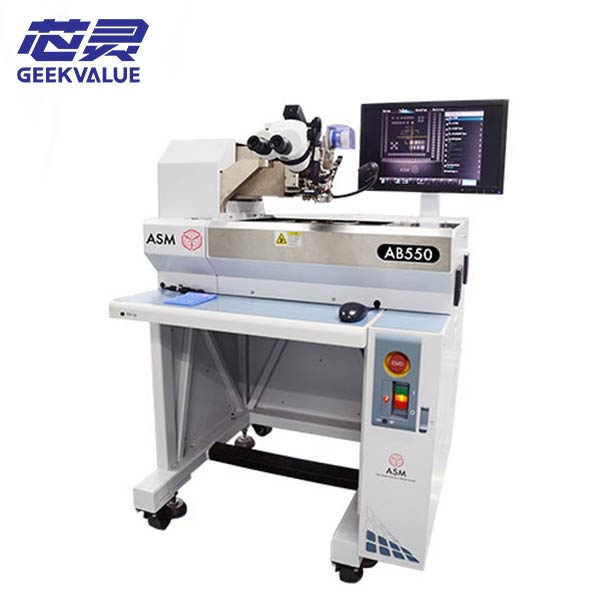
ASM AB550 aluminum wire bonder: 9 wires/sec, 68μm pad pitch, 100mm circular bonding range. Check substrate fit, process ...
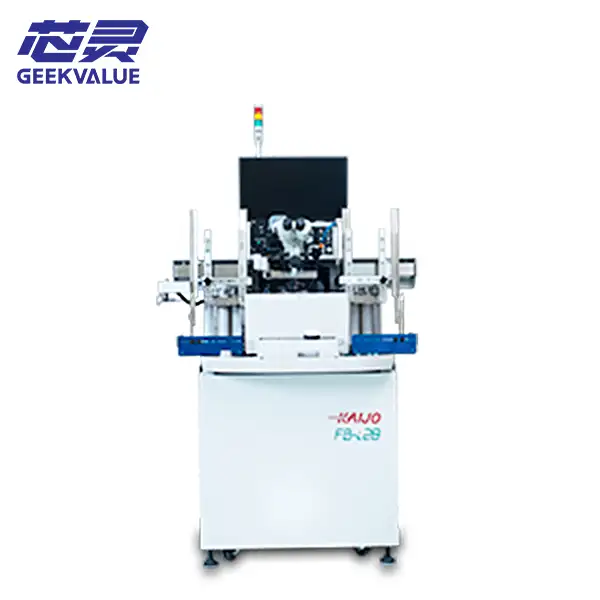
KAIJO FB-i28 high-precision wire bonder: ±2.0μm accuracy, 35μm pad pitch, low-impact bonding for low-k and stacked die. ...
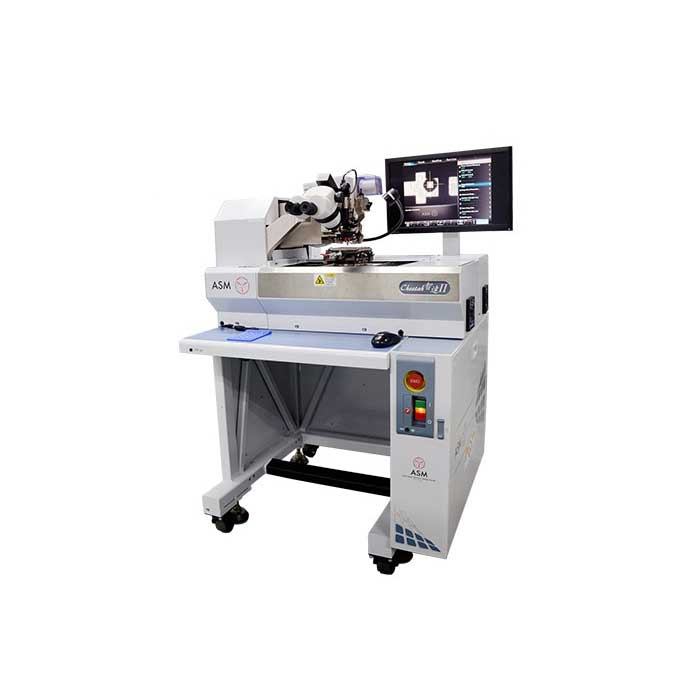
ASMPT Cheetah II wire bonder: gold ball, copper wedge, or aluminum wire—configuration varies by unit. What to verify on ...
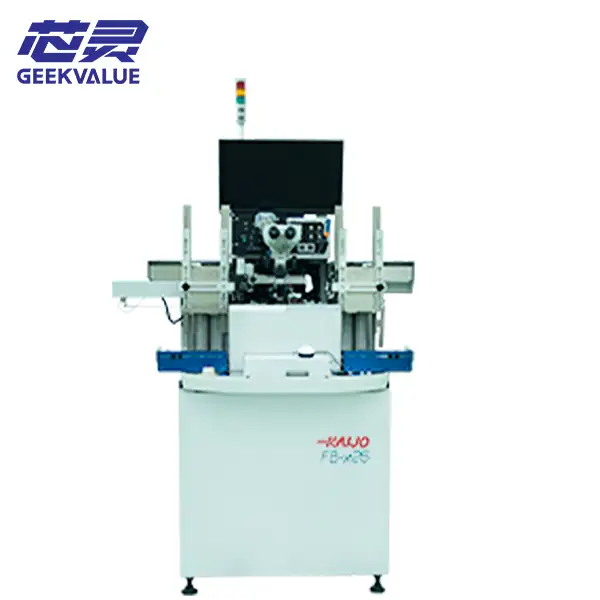
KAIJO FB-x26 wire bonder for high-volume IC assembly: 95mm Y-axis range, 3σ ≤ 3.0μm accuracy, Au/Cu/Ag wire, SECS/GEM re...
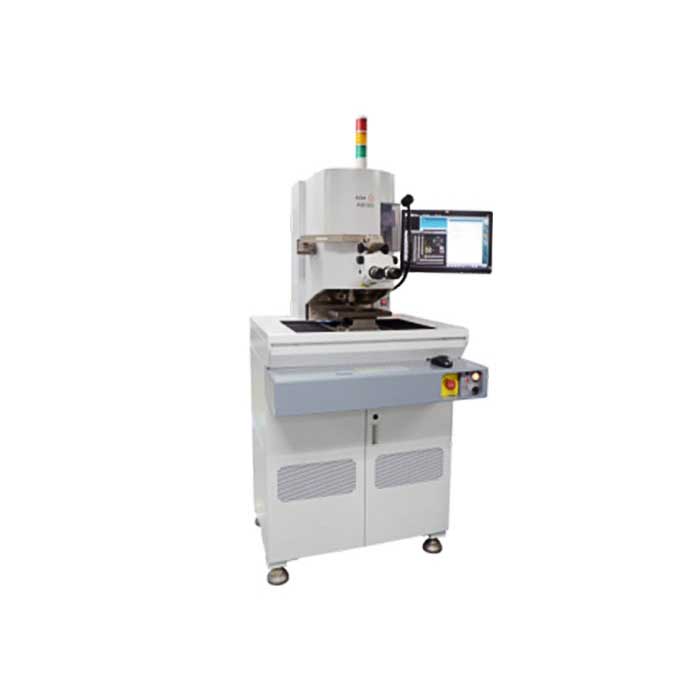
Micro-pitch down to 55 µm × 65 µm, 6.5 wires/sec. New bond head design for stability, patented "PR on the Fly"...
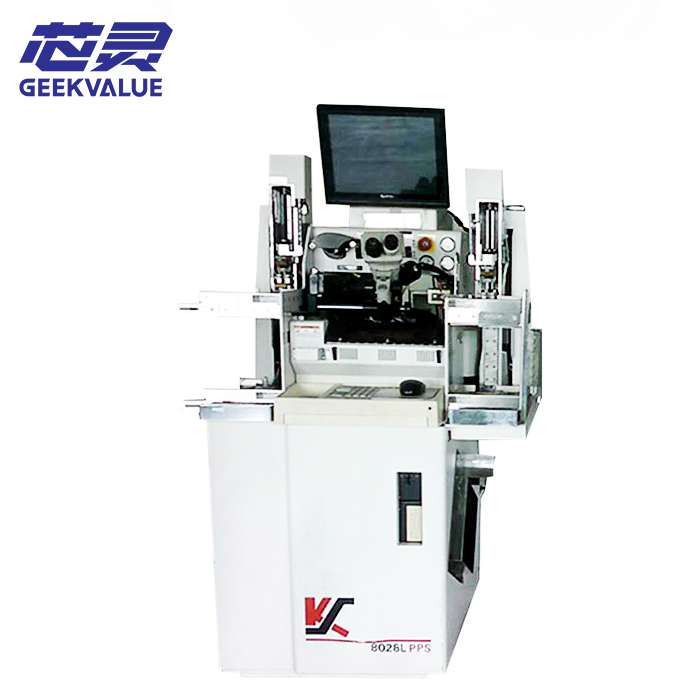
K&S 8028PPS gold ball wire bonder. Pad pitch down to 50 μm, bonding area 50 × 65 mm, wire diameter 20–38 μm. Au ball...
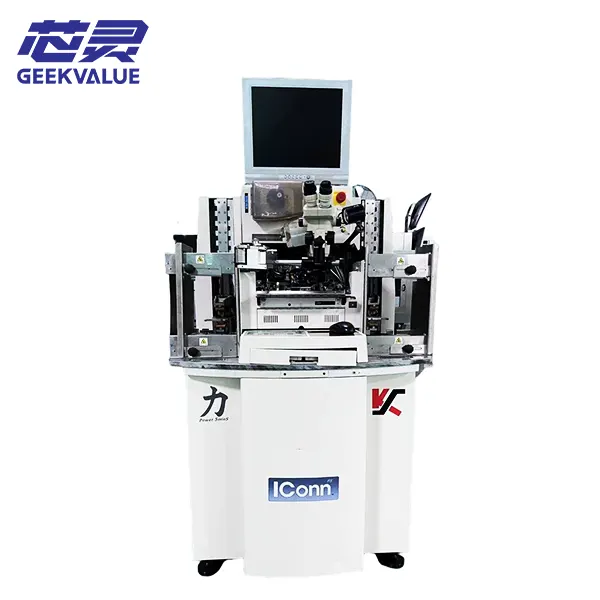
fully automatic wire bonder.±2.0 μm accuracy, 56 × 80 mm bonding area. Dual-frequency transducer, programmable red/blue ...
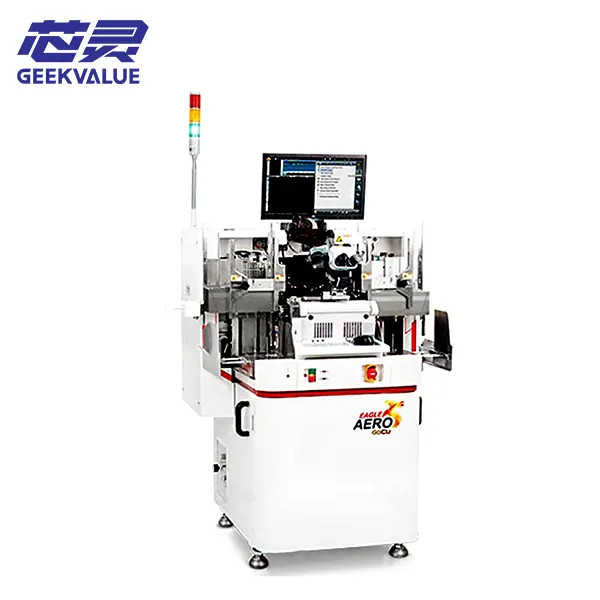
X-Power thermosonic ball bonding, Aeroducer dual-frequency transducer. 2.0 μm @ 3σ, 24 wires/min. Gold standard, optiona...
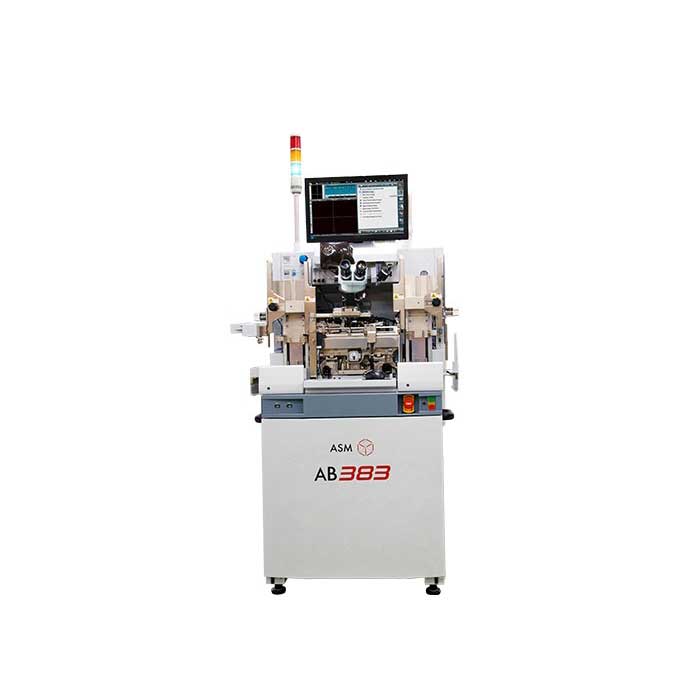
LED high-speed system. Bond head resolution down to 40 nm, cycle time 45 ms. Preset gold wire, optional Cu/CuPd/Ag. Bond...
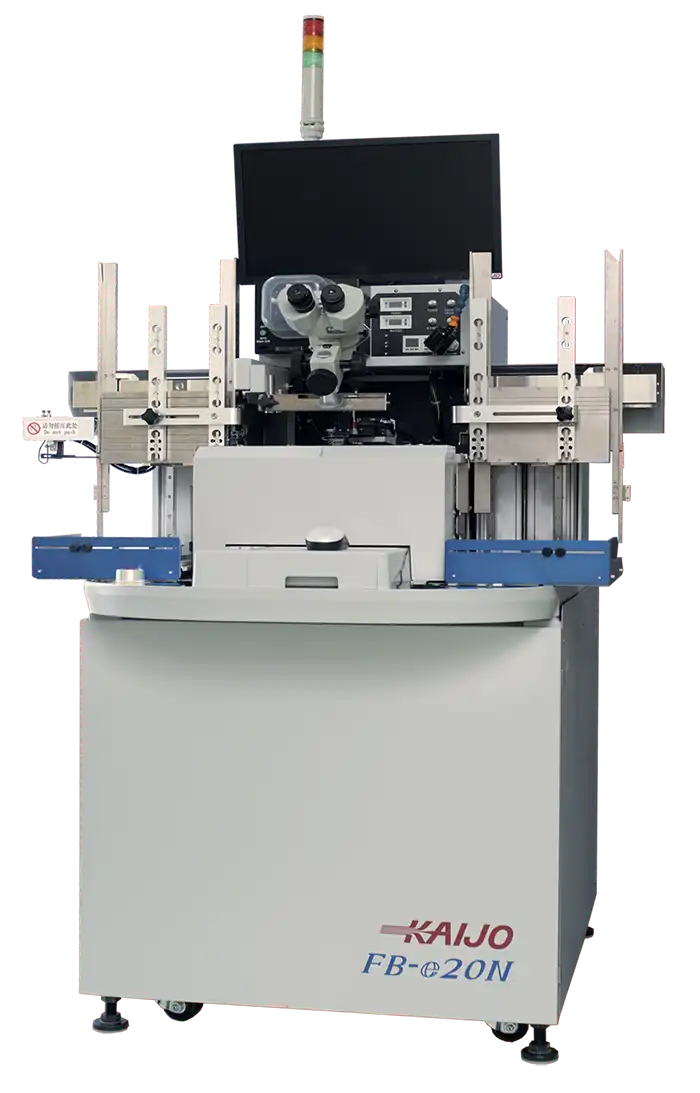
Thermosonic ball/wedge bonder, 3σ ≤ 2.0 μm, 43 ms per wire. Gold, copper, silver alloy wire. α eyes vision, dual-frequen...
wire bonder are high-precision semiconductor packaging machines that use fine metal wires to form reliable electrical links between silicon die pads and substrates or lead frames. There are two main variants: thermosonic ball bonders for fine-pitch ICs and ultrasonic wedge bonders for power and aerospace-grade devices. Powered by ultrasonic energy, force and heat with vision-guided micron positioning, they serve IC, SiC power, LED and automotive electronics production. Refurbished K&S, ASM and KAIJO wire bonders offer cost-effective alternatives with dependable after-sales support.
This simplified sequence shows a typical automatic ball bonding cycle and helps first-time buyers understand what the machine is doing before they compare models.
The package, leadframe or substrate is loaded. The vision system finds the die pad and second bond location.
A ball is formed at the wire tip and bonded to the die pad using controlled force, ultrasonic energy and heat when required.
The capillary moves along a programmed trajectory to produce the required loop height, length and shape.
The other end of the wire is bonded to the leadframe, substrate or package terminal.
The wire is terminated, the tool moves to the next position and the programmed bonding sequence continues.
This is a typical ball bonding sequence. Wedge bonding uses a different tool, wire feed direction and bonding motion, so the machine type must match the intended process.
The fastest way to shortlist is to start with your bonding process, not the machine brand. Each category below lists the platforms we most often recommend for that process — and why.
Most common in IC, LED and discrete packaging. Gold, copper and silver wire. Recommended: ASM AB550, ASMPT AB589, K&S ICONN.
For power devices, hybrids and RF products. Aluminum, gold, copper wire or ribbon. Recommended: Hesse Bondjet series, K&S 8028PPS.
Where material cost reduction or high-temperature performance matters. Requires specific EFO, gas setup and bond head configuration. Recommended: ASMPT Cheetah II, KAIJO FB-x26.
Strip, bowl, tray or reel-to-reel handling. High-speed gold wire bonding for LED packaging. Recommended: KAIJO FB900, ASMPT AB383.
Pad pitch below 45μm. Vision and bond-head capability are the limiting factors. Recommended: KAIJO FB-i28, ASM Eagle AERO.
Laboratory, repair and process development where flexibility matters more than throughput. Recommended: Manual & Semi-Automatic Bonders.
The right choice depends on whether your priority is operator flexibility or repeatable production. A manual wire bonder is not simply a cheaper automatic machine; it is designed for a different working method.
Semi-automatic systems sit between the two: the operator may load or align the work, while programmable motion and stored parameters improve repeatability.
| Comparison | Manual / Semi-Automatic | Automatic |
|---|---|---|
| Typical use | R&D, laboratory work, repair, process development and low-volume production. | IC, LED, discrete device and other repeated semiconductor packaging production. |
| Operator involvement | The operator positions or guides the work and may control each bond. | Vision, programmed motion and material handling complete repeated bond sequences. |
| Changeover | Flexible for changing samples, devices and experimental work. | Best when recipes, workholders and handling formats are prepared for recurring products. |
| Output | Lower throughput and more dependent on operator skill. | Higher production capacity with stronger repeatability and process monitoring. |
| Investment | Usually lower, but tooling, microscope, workholder and options still affect cost. | Higher and strongly influenced by vision, software, bond head and handling configuration. |
| Best fit | Choose this route when flexibility and direct operator control matter most. | Choose this route when output, consistency, traceability and automation are priorities. |
Public listings show a very wide price spread. Older manual and incomplete systems may appear in the low-thousands, refurbished manual bonders can reach five figures, and production automatic wire bonders are frequently quote-only. The meaningful comparison is therefore the price of a verified machine with the configuration you actually need.
Contact Us for the Latest Price ->Listings may mix manual bonders, automatic production systems, parts-only machines, refurbished equipment and incomplete tools. A low asking price does not show whether software, workholders, EFO, vision, tooling or accessories are included.
There is no single price curve for every model. Older equipment can depreciate, while verified automatic systems, copper-capable configurations and machines with usable software, tooling and parts support can retain stronger value. Newer platforms also cost more as vision, handling and process-control functions become more advanced.
We quote according to the manufacturer, model, year, condition, installed configuration, included accessories and delivery requirement. This helps avoid a low headline price followed by missing tooling, software or refurbishment costs.
Both are wire bonding machines, but their tools, wire-feed direction, material range and common applications are different. Confirm the bonding method before comparing manufacturers or speed.
A ball bonder normally uses a capillary and fine wire to connect a die pad to a leadframe or substrate. Automatic ball bonding is widely used in IC, LED and discrete semiconductor packaging.
A wedge bonder uses a wedge tool and may be selected for fine wire, heavy wire or ribbon applications. It is often considered for power devices, hybrids, RF products and specialized assemblies.
You do not need a complete specification. Start with the product you are bonding and the production format. We can then narrow the suitable wire bonding machine and identify the configuration points that still need verification.
Share the package type, pad layout, wire material, wire diameter and leadframe or substrate format.
Tell us the LED package, carrier format, production volume and whether the line requires strip, bowl, tray or reel-to-reel handling.
Provide the pad pitch, loop requirements, package drawing and quality-control expectations so vision and bond-head capability can be reviewed.
Send the current model, workholder or handler interface, software requirement, facility conditions and the reason for replacement.
The lowest purchase price is not always the lowest project cost. Compare availability, condition, software, tooling, support and line compatibility before deciding which supply route is better.
Used equipment can be practical for replacing an existing model, expanding a familiar line or controlling capital cost.
A refurbishment scope should be specific. Ask what was cleaned, replaced, calibrated, tested and documented before shipment.
New equipment may be more suitable when current process support, advanced automation, factory integration or a long service horizon is essential.
Common requests include ASM / ASMPT, Kulicke & Soffa, KAIJO, West Bond, Hesse and other wire bonding equipment brands. The live product section shows current listings; additional models can be sourced according to availability.
Use these links when your project also involves die placement, surface preparation, flip-chip assembly, tooling or a broader semiconductor packaging line.
Common questions from buyers evaluating used wire bonders — inspection points, lead time, demonstration, and after-sales scope.
Check the full model, year, serial number, software, licenses, bond head, vision system, handling configuration, workholders, tooling, included accessories, operating condition and refurbishment scope. The four highest-risk areas we see are: bond head servo wear, vision system calibration drift, wire feed system condition, and software version compatibility with your wafer map or recipe format.
A manual wire bonder relies more heavily on operator positioning and control, making it useful for laboratories, repair and low-volume work. An automatic wire bonder uses vision, programmed motion and material handling for repeatable production.
Price varies widely by machine type, manufacturer, model, age, condition, bond head, software, handling system and included tooling. Contact us with the model or application for a current configuration-based quotation.
No. They use different tools and bonding motions and may support different wire materials, diameters and applications. The intended process should be confirmed before selecting a model.
Not automatically. Material support depends on the bond head, EFO, gas setup, tooling, software, transducer and process package installed on the actual machine.
Yes. We can arrange a live video walkthrough with a short run demonstration for any unit in our inventory. Send us the unit reference number and your preferred time window.
A capillary is the precision tool that guides fine wire and forms the bonds in a ball bonding process. Capillary geometry must match the wire, pad, pitch, loop and package requirements.
For units in stock, 5–10 business days after configuration confirmation. For specific model requests or non-standard configurations, 2–4 weeks depending on availability.
Send a model number or describe the package, wire material and production requirement. We will review available equipment, confirm the supply scope and prepare a quotation based on the actual machine within 4 business hours.