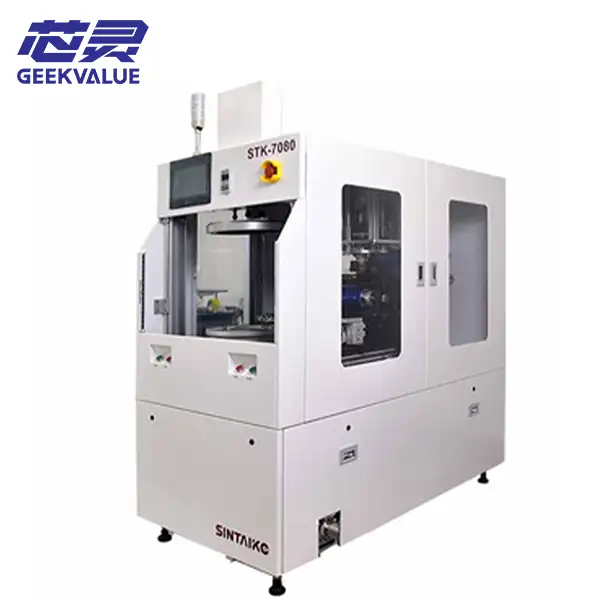
SINTAIKE STK-7080 Non-contact Wafer Laminator
Non-contact vacuum wafer mounter. Edge contact only, no rollers. Handles thin wafers and compound semis (GaAs, GaN). 4–8...
We stock used wafer mounters from Nitto, LINTEC, DISCO, Takatori, SINTAIKE and other platforms. The unit you choose must match three things: the tape direction (dicing vs backgrinding), the wafer condition (thickness, bow, bumps), and the tape format (blue tape, UV tape, BG tape, DAF). Most used-wafer-mounter purchases that go wrong fail at one of these three points. Tell us your process and we'll shortlist the units that actually work on your line.
Two wafer mounters with the same model name can have very different capabilities. The installed chuck, tape path, cutter, software, handling options and included accessories matter more than the platform name alone. Review the current inventory, then send us your process requirements for a configuration check.
Looking for a specific Nitto, LINTEC, DISCO, Takatori or SINTAIKE wafer mounter? Send the model number even when it is not currently shown — our sourcing team will check availability.
Non-contact vacuum wafer mounter. Edge contact only, no rollers. Handles thin wafers and compound semis (GaAs, GaN). 4–8...
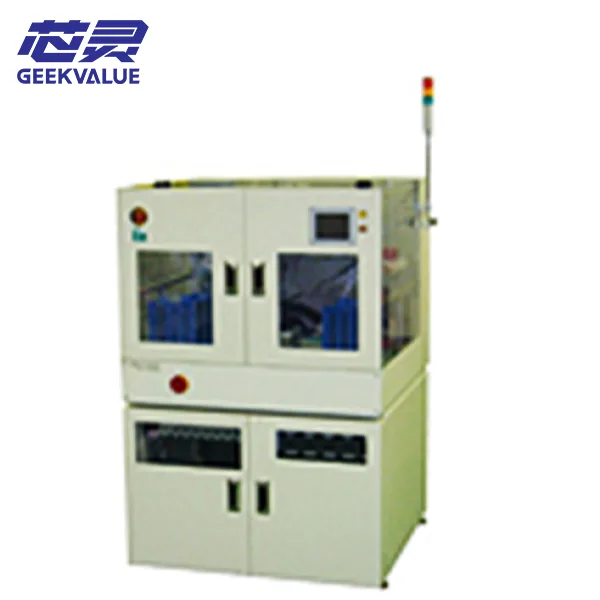
Professional Nitto DR8500III 8-inch wafer mounter for 200mm backgrinding. Compare standard & low-tension RF models, ...
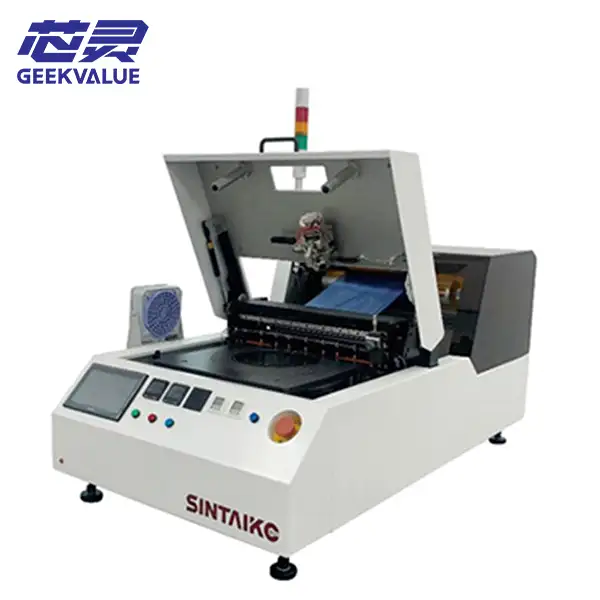
SINTAIKE STK-6020 wafer mounter, semiconductor tape lamination system for wafer back grinding. Roller lamination and mul...
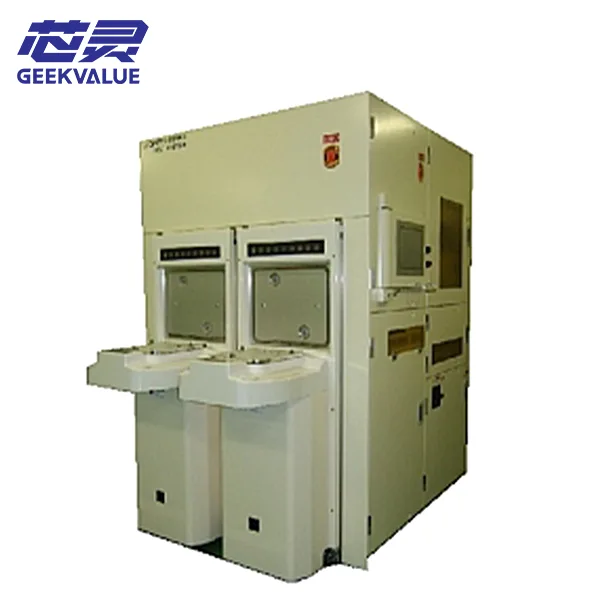
Fully automated wafer mounter. 200/300 mm wafers (≥400 μm). Low-tension mounting cuts warpage. 68 WPH. FOUP, SECS/GEM, w...
We've seen buyers order a "wafer mounter" expecting a dicing tape system, then discover the unit is configured for backgrinding protection tape — the two use different chucks, cutters and tape paths. Identify where the tape is applied and what happens next before comparing brands, automation levels or machine specifications.
The machine applies dicing tape to a frame and mounts the wafer backside onto the tape. The mounted wafer then moves to a dicing saw or laser singulation system.
A backgrinding tape laminator applies protective tape to the patterned wafer surface. The tape protects devices while the wafer backside is ground or thinned.
Thin, bowed, bumped, MEMS, TAIKO, SiC or GaN wafers may require different chuck and pressure control — verify before selecting a mounting method.
Standard roller mounting, vacuum mounting or non-contact systems. The choice depends on surface sensitivity, wafer thickness and air-removal requirements.
Blue tape, UV tape, BG tape, DAF, roll or pre-cut format. Frame size and standard must match the equipment and the downstream process.
Sales shortcut: tell us the next process step and your wafer condition. We can then narrow the tape direction, mounting method and automation level without making you specify every component first.
“Wafer mounter” is a broad equipment category. A system for standard wafers is not automatically suitable for ultra-thin, bumped, MEMS or TAIKO profiles.
Conventional wafers where controlled roller pressure can apply tape evenly without damaging the surface.
Thin wafers and TAIKO profiles require special support, fewer transfer steps and controlled edge handling.
Bumps, MEMS structures, backside features or fragile materials can require non-contact chucks and dedicated recipes.
Wide-bandgap materials may require different pressure control, tape adhesion and handling parameters compared to silicon.
Die attach film and UV-release tape require specific tape paths, tension control and sometimes UV exposure modules.
Dicing frame mounting requires frame load/unload, alignment and tape cutting matched to the frame standard.
The best level of automation depends on production volume, wafer handling risk, recipe control and how much operator involvement the process can accept.
| Decision Point | Manual Wafer Mounter | Semi-Automatic Wafer Mounter | Fully Automatic Wafer Mounter |
|---|---|---|---|
| Typical Use | Laboratories, pilot lines, repair environments and low-volume production. | Plants that need better consistency without a full cassette-to-cassette system. | Production environments where repeatability, throughput and reduced manual handling are priorities. |
| Operator Role | Operator loads the wafer, frame and tape and controls more of the mounting and cutting process. | Manual loading retained while tape feed, lamination, pressure control and cutting are automated. | Cassette or load-port handling, automatic alignment and recipe management. |
| Throughput | Lowest; strongly influenced by operator skill and setup time. | Improved consistency and throughput without the full cost of production automation. | Highest potential; suitable for thin wafers, DAF, UV or traceability requirements. |
| Best Buying Question | Can the platform handle my wafer size and tape format manually? | Which steps are automated, and what wafer handling remains manual? | What loader, frame size, tape format, DAF/UV options and factory interface are included? |
Current inventory may focus on production mounters. We can still review requirements for manual, semi-automatic, vacuum or specialty wafer mounters through the sourcing network.
Ask Which Type FitsSearch results often mix small manual laboratory platforms with 300 mm fully automatic systems. Those systems belong to very different price classes, so a useful quotation must start with the intended process and the actual configuration.
For used equipment, the year alone does not explain value. Chuck condition, tape path wear, cutter condition, software version, loader and frame handling options, included accessories and serviceability can have a greater effect on the final purchase.
Request Current PriceBuyers often use these terms together, but each equipment category has a different job. Clarifying the boundary prevents a quote for a tape mounter when the real need is a die bonder or a dicing saw.
Applies dicing tape or protection tape to the wafer and frame before cutting or backgrinding.
View ModelsAttaches the singulated die to a package substrate or leadframe after dicing.
Die Bonder EquipmentCuts the mounted wafer into individual die after tape mounting.
Read Packaging GuidesThins the wafer backside before or after protection tape lamination.
Equipment RangeYou do not need to prepare a complete specification before contacting us. Start with the next process step and your wafer condition. We will identify the missing configuration points and check available equipment against the real process setup.
Start a Wafer Mounter InquiryWafer size, thickness, material, TAIKO profile, frame standard and loading format.
Dicing preparation, backgrinding protection, remounting or another tape process.
Roller, vacuum or non-contact, chuck type, tape path and cutter configuration.
Model, serial number, software, loader, accessories, condition and delivery support.
These answers cover the questions that most often affect equipment selection, integration and quotation.
Both are often called wafer mounters, but they perform different jobs. A dicing tape mounter applies tape to a frame and mounts the wafer backside for cutting. A backgrinding tape laminator applies protective tape to the patterned surface before wafer thinning. The chucks, tape paths and handling systems differ.
Standard roller mounting suits conventional wafers. Vacuum mounting improves air removal and uniformity. Non-contact systems are used when direct pressure or surface contact creates additional risk — for bumped, MEMS, ultra-thin or TAIKO wafers.
Wafer size, automation level, loader, chuck type, tape path, cutter, software, frame handling options, DAF/UV capability, included accessories and equipment condition all affect price. A manual laboratory platform should not be compared directly with a fully automatic production mounter.
Depending on configuration, a wafer mounter may handle blue tape, UV tape, BG tape, DAF and pre-cut or roll formats. Tape width, adhesive behavior, cutting method and air-removal requirements must match the equipment.
Confirm the complete model and serial number, wafer size, frame standard, chuck condition, tape path wear, cutter condition, software version and licenses, loader and handling options, included accessories, operating condition and service history.
Some modular platforms can be reconfigured, but the chuck, tape path, cutter and handling system differ between the two applications. Support should be confirmed for the actual configuration rather than inferred from the base model name.
Send the wafer mounter model—or describe the tape process and wafer condition. We'll confirm availability, configuration completeness and process compatibility within 4 business hours.