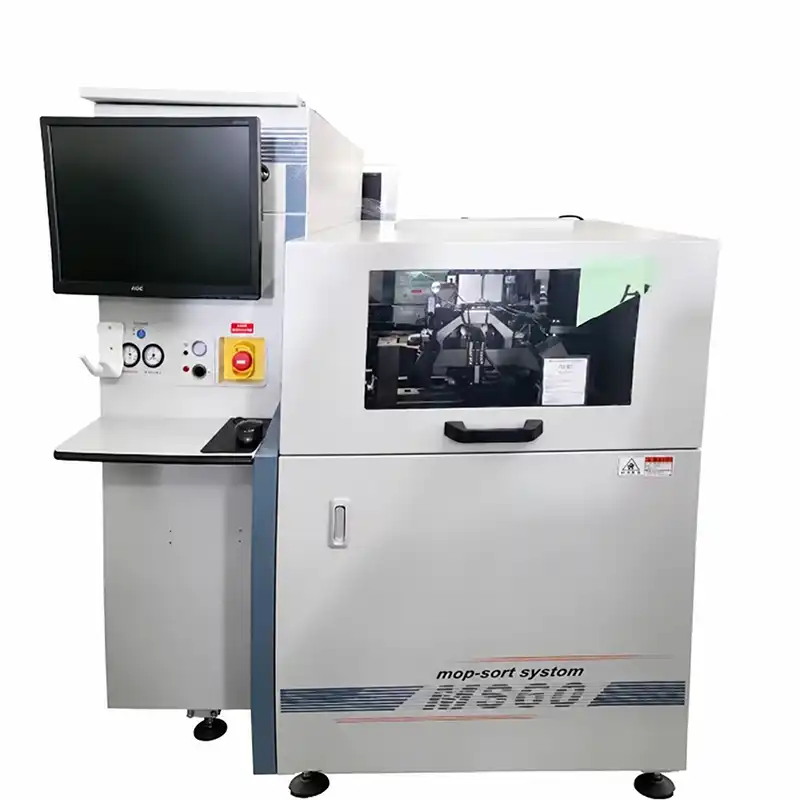
ASM MS60 Map Sorter | LED Chip Sorting Equipment
Looking for an ASM MS60 map sorter? Discuss map file compatibility, chip handling requirements and equipment condition w...
We stock used test handlers from Cohu, ASM, Advantest, Hon Precision and other platforms. Every unit we list has cleared four checks: docking to your ATE, package fit, test temperature range and site count. Those four points are also where most used handler purchases go wrong — the specs match, the machine arrives, and then the docking hardware turns out not to fit. Send us your requirements and we'll shortlist the units that actually work on your line.
Tray, tube, strip, tape or film-frame input is matched to the package flow.
Ambient, hot, cold or tri-temperature handling prepares the device for test.
The handler positions the device at the contactor and communicates with the ATE.
Pass, fail and graded bins are routed to tray, tube, tape-and-reel or another output.
Current inventory of semiconductor test handlers for final test, tri-temperature testing and device sorting. Package format, input and output media, tester interface, temperature range and installed change kit all determine whether a specific unit fits.
Looking for an ASM MS60 map sorter? Discuss map file compatibility, chip handling requirements and equipment condition w...
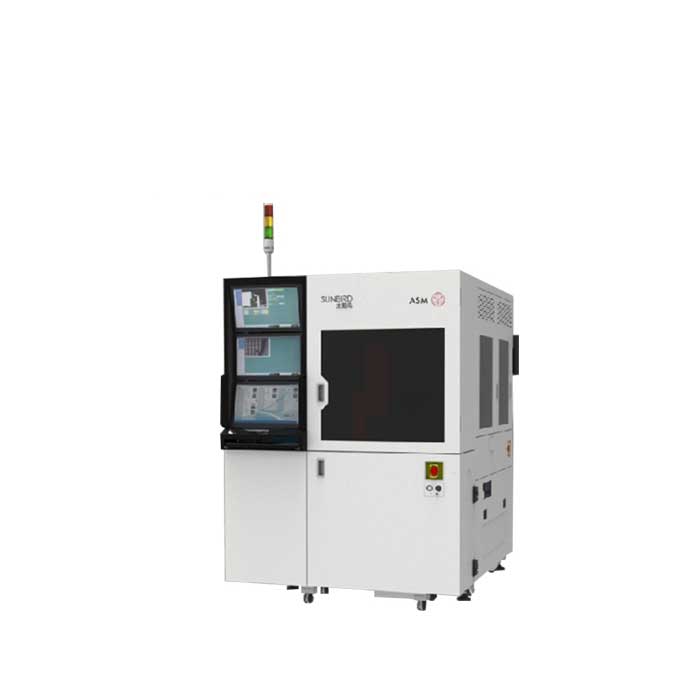
Pre-owned ASM Sunbird X8 turret test handler for semiconductor device handling and sorting. Ask about configuration, con...
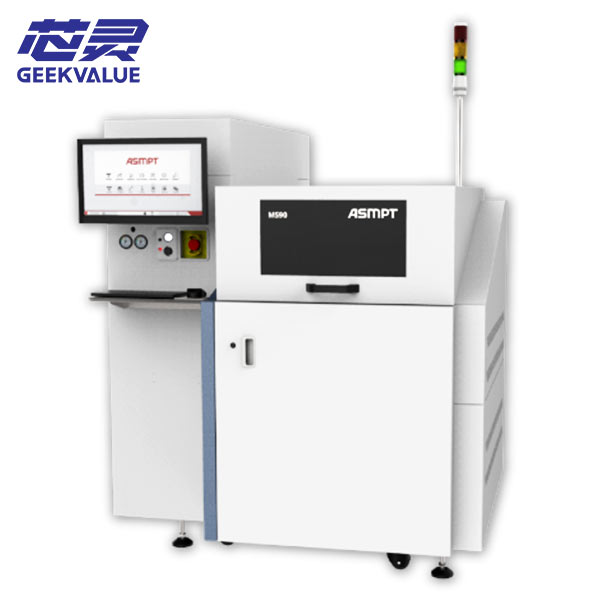
ASMPT MS90 is a configurable die sorting platform built for high-mix back-end production. The sections below cover what ...
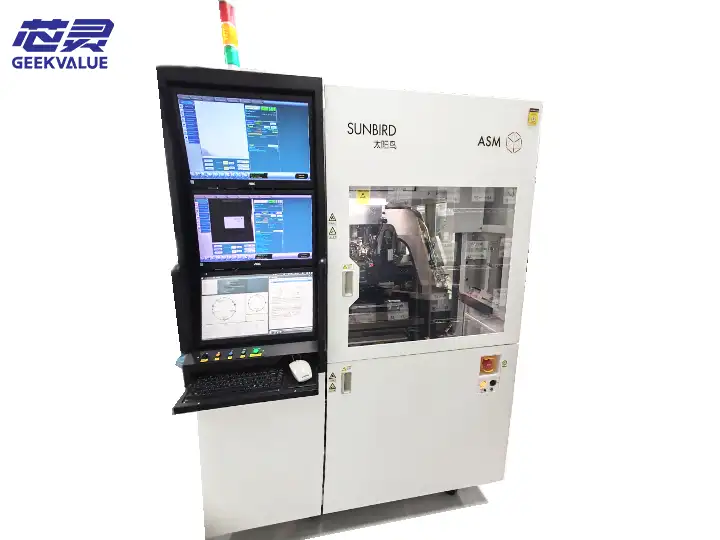
Explore the used ASMPT SUNBIRD Wafer-Level Test System for semiconductor inspection, testing and sorting. Check equipmen...
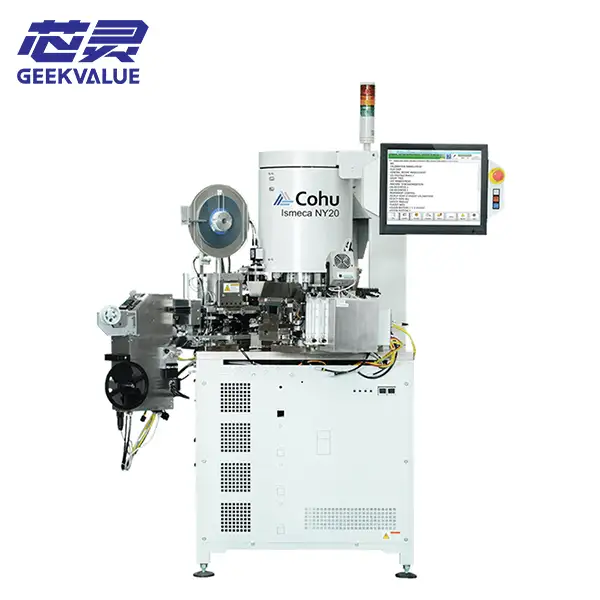
NY20 vs EXIS 250 and LT-evo: wider device range, double the MTBA, 20–60 min changeover. Can 50,000 UPH meet your capacit...
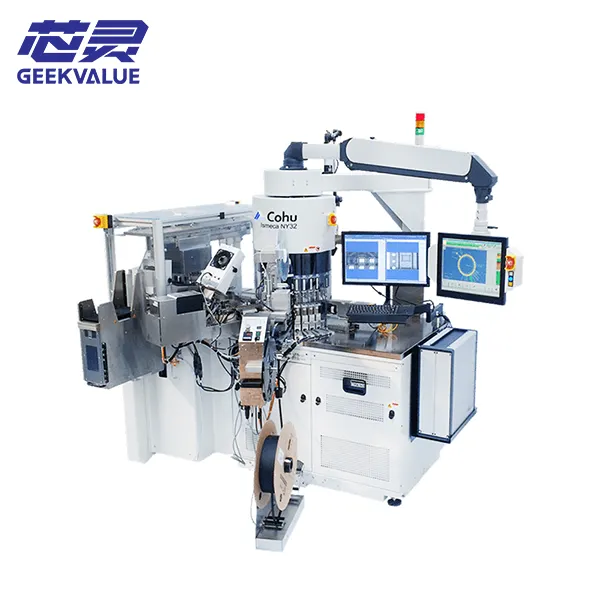
Cohu Ismeca NY32 Test Handler: can it run your thinnest DFN/QFN, hit your throughput targets, and catch 5 µm sidewall de...
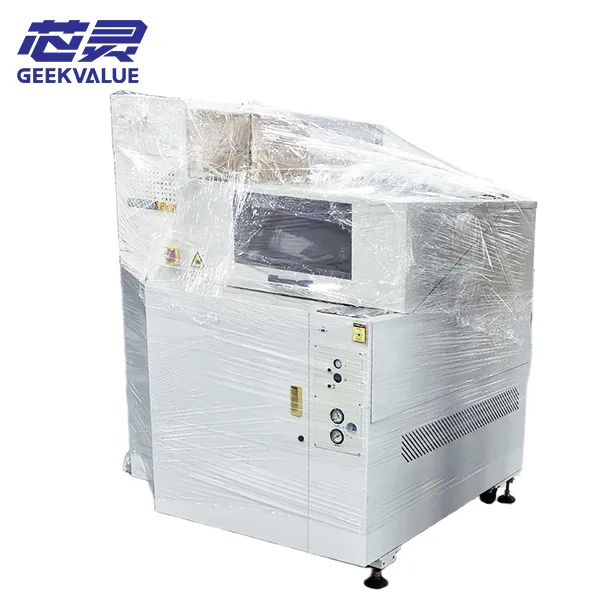
The ASM MS100 Plus is a wafer-mapping die sorter with up to 6,000 UPH throughput, ±1° die rotation accuracy, and 2–6 inc...
Selection starts with the test, not the machine. Most buyers come to us with a package and a temperature range in mind — that's enough to narrow the platform family. Each scenario below shows the typical packages, the platform we most often recommend, and the points we confirm on the specific unit before quoting.
Cold, ambient and hot test in one insertion. Typically automotive, industrial or high-reliability ICs that need a -40°C to +125°C window or wider.
Straight final test at ambient temperature. Highest throughput per unit cost, no thermal conditioning. Common for cost-sensitive consumer ICs.
Lower cost per device by testing more sites per insertion. Directly bounded by the ATE — a handler cannot exceed the tester's site count.
A mature route for leaded and compatible packages where track geometry is well controlled. Lowest cost for legacy product lines.
Devices stay on leadframe, carrier or film frame during test. Higher parallelism per handling step, but demands the exact frame format.
Rotary index platform with multiple stations — test, vision, marking and sorting on one continuous cycle. Common in LED and discrete production.
The most common reason a used test handler gets returned is not accuracy or throughput. It's that the unit can't dock to the buyer's existing ATE. The datasheet says "supports BGA," but it doesn't say whether the docking direction, HIFIX height or site count limit matches what you already have in place. Confirm these four points before treating any unit as a candidate.
Advantest V93000, Teradyne UltraFLEX, Cohu Diamond, Chroma, or another tester. Include test head model if known.
Top, bottom or side dock. HIFIX model and current contactor type if you already have a specific interface.
Package family, dimensions, input format (tray, tube, strip, film frame) and output requirement (tray, tube, tape-and-reel).
Ambient, hot, cold or tri-temp range. Target site count per insertion and required soak time.
The tester is the measurement engine, but the handler decides how many devices the tester actually processes per hour — and how much of that hour goes to changeover instead of production.
Two numbers matter more than headline UPH: parallel test sites per insertion, and changeover time between package types. A 16-site handler at 5,000 UPH can beat a 4-site handler at 8,000 UPH on cost per device, because the tester's cost is amortized across more devices per cycle.
When compatible packaged devices or precision components arrive in bulk, a vibratory bowl feeder for test handler infeed can separate, orient and deliver parts to the handler track or loading interface.
Directly sets the tester's cost per device — the higher the better, within ATE limits.
Soak time and stability affect both test validity and per-device cycle time.
Critical for high-mix production. Measured in minutes per package family.
Real throughput includes the time spent clearing jams and contacts.
Gravity, pick-and-place, turret and strip handlers solve different package-flow problems. Match the architecture to your package first — throughput comes second, because a fast handler in the wrong architecture is still wrong.
On used test handlers, the installed change kit is usually the difference between a machine you can run next week and a machine that sits idle for two months. The platform spec might cover your package family, but that doesn't mean the specific unit includes the tracks, nests, nozzles and contactor you actually need. Price the handler and the change kit as two separate line items — the numbers are rarely close.
Package-specific and often the largest single conversion cost. Check wear and whether spare sets are included.
Often purchased separately. Confirm alignment, site count and ATE compatibility before pricing the unit.
Check license status and whether the unit has the required modules — vision, marking, tape-and-reel, etc.
Use these links when the requirement extends beyond the device handler itself.
Semiconductor testers that generate electrical stimulus, measure device response and assign test results.
Wafer-level contact and measurement equipment when testing occurs before packaging and final test.
Nozzles, boards, motors and replacement components for selected ASMPT and other handling platforms.
Plan the wider test cell around probing, final test, handling, interfaces, parts and project sourcing.
Answers to common questions asked when selecting or sourcing semiconductor final-test handling equipment.
A test handler is automation equipment that loads packaged devices, conditions them to the required temperature, presents them to the ATE contactor and sorts them by test result. It does not perform the electrical measurement itself.
Confirm four points: docking direction and test head type, HIFIX and contactor interface, site count per insertion, and communication protocol. If any of these do not match, the handler will not deploy without additional hardware or software changes.
The ATE applies electrical test signals and measures the device. The handler transports the device, controls its temperature, positions it at the contact interface and sorts it by result. Both must be mechanically and electronically integrated.
A tri-temperature handler conditions devices for testing at cold, ambient and hot temperatures. Confirm the required range, soak method, thermal stability, device power dissipation and the utilities used by the actual system.
Site count determines how many devices the ATE can test per insertion. A handler with 16 sites at 5,000 UPH can produce lower cost per device than a 4-site handler at 8,000 UPH, because the tester amortizes across more devices per cycle. Site count is limited by both handler and ATE capability.
Verify the complete model, serial number, year, handler type, installed change kit, temperature system, test sites, contactor interface, software version, licenses, maintenance history and included spares. The change kit is often more valuable than the handler itself.
Never assume. The quotation should list the handler, installed modules, change kits, HIFIX or docking hardware, contactors, trays, tools, software and spare parts that are supplied. Missing change kits are the most common hidden cost on used test handlers.
Provide the preferred manufacturer and model, package family, input and output media, ATE platform and docking details, temperature range, site count, production target, required condition and destination.
Send your ATE platform, package family, test temperature and target site count. We'll confirm handler availability, change kit completeness and docking compatibility within 4 business hours.