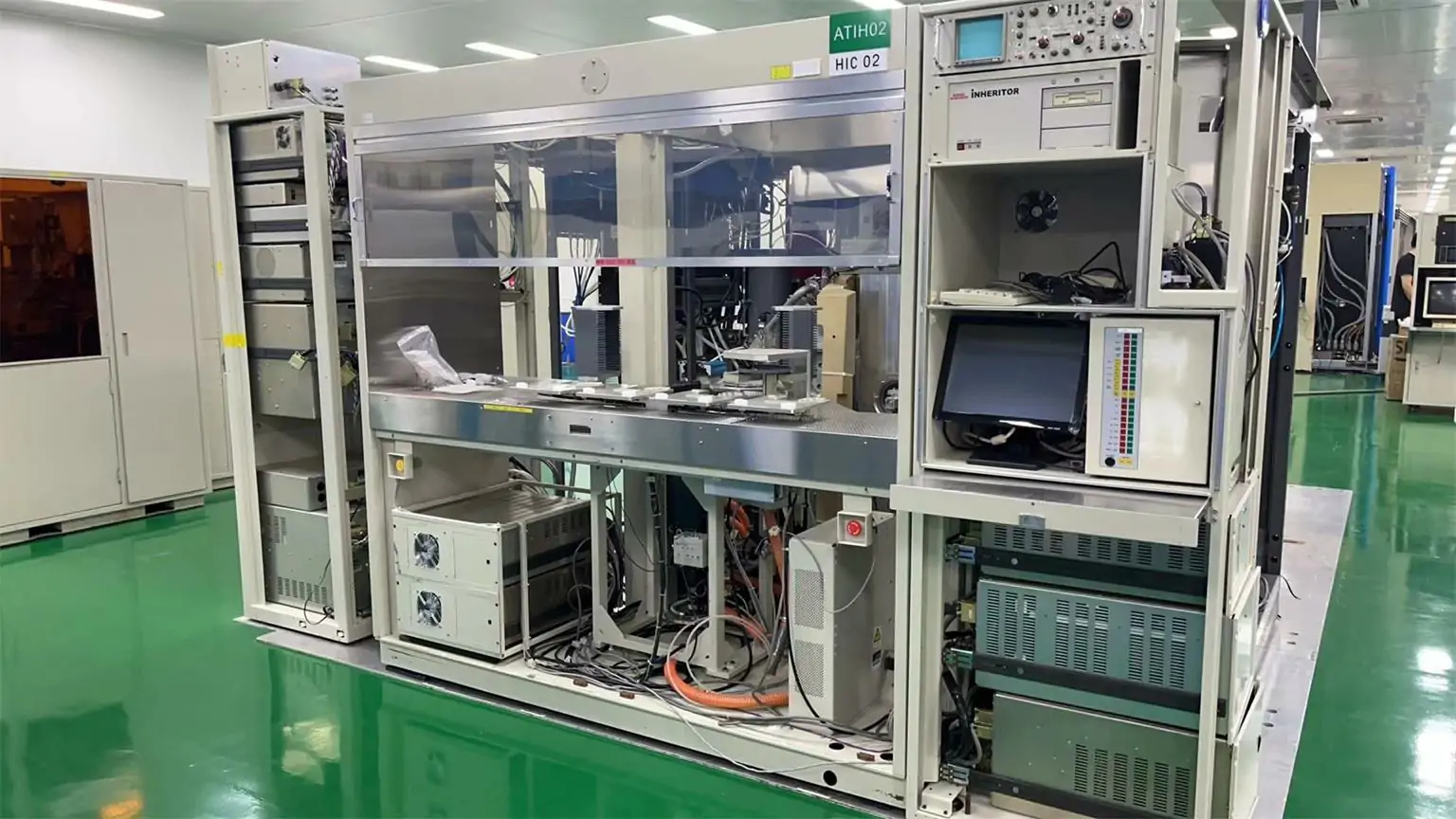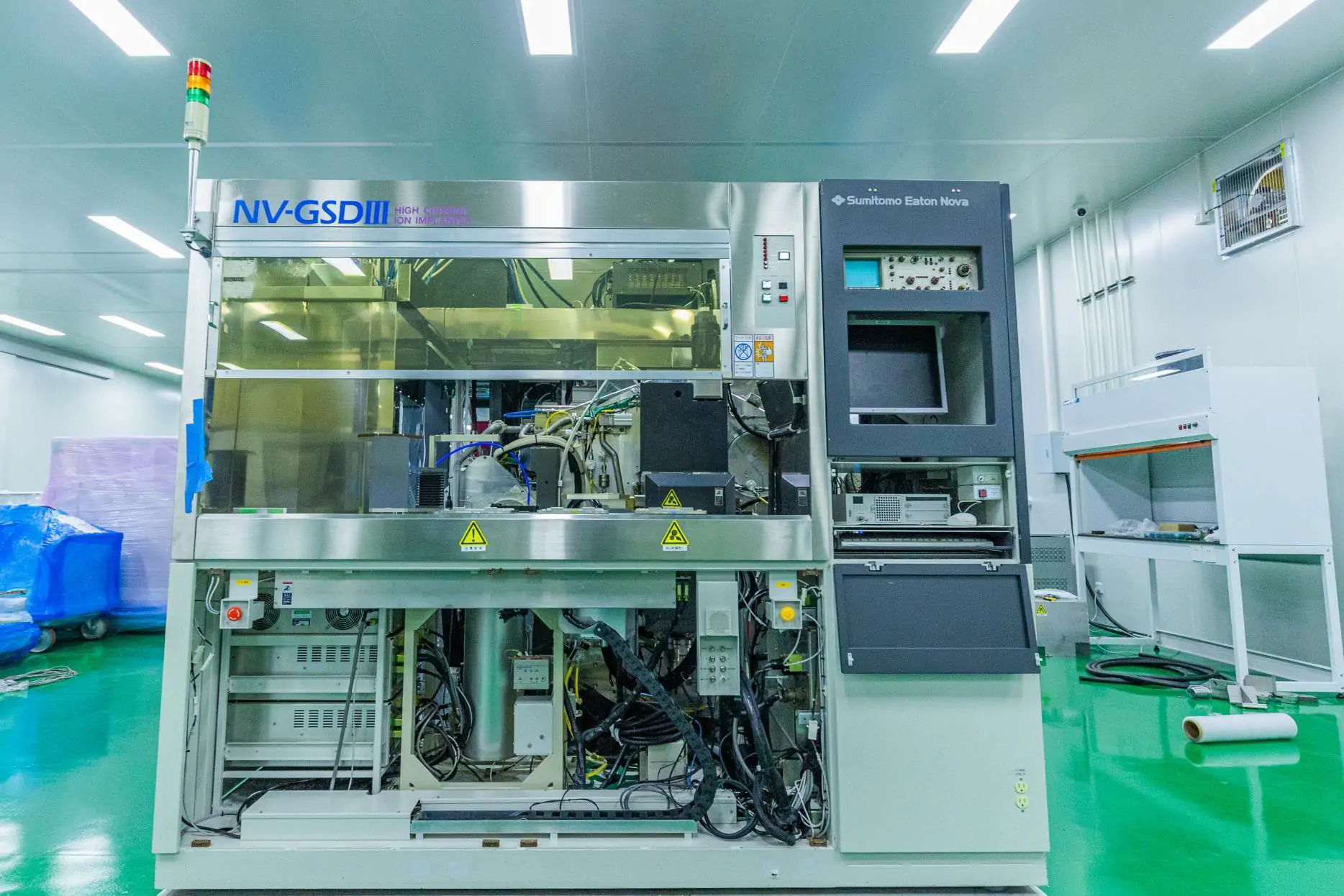
High-dose doping is a key step in forming source/drain regions and well structures in semiconductor wafers. The SEN GSD III 90 addresses these requirements through high-current ion implantation, with boron, phosphorus and arsenic among the dopant species associated with this class of equipment. Its process role centers on delivering the required dopant dose and implant profile for established semiconductor manufacturing.
Implant angle is particularly important when channeling must be controlled. Wafer tilt, beam characteristics and dose consistency all affect the final dopant distribution. The GSD III 90 platform is associated with 150 mm and 200 mm wafer processing, making its specific end-station setup and beamline configuration important when matching a machine to an existing production process.
SEN GSD III 90 Main Specifications
| Manufacturer | SEN / Sumitomo Eaton Nova |
|---|---|
| Model | GSD III 90 |
| Alternative Model Style | NV-GSD III-90 |
| Equipment Type | High-Current Ion Implanter |
| Supported Wafer Sizes | 150 mm and 200 mm, according to the available listing |
| Implant Current Class | High current |
| Beamline Configuration | Installed source, analyzing magnet and acceleration configuration must be confirmed |
| Wafer Processing | Wafer disk and batch configuration depend on the installed end station |
| Implant Angle | Tilt and rotation capability must be verified from the available machine |
| Dose Monitoring | Faraday and dose-control configuration must be inspected and calibrated |
| Process Species | Supported ions depend on the source, gas box and beamline history |
| Condition | Used semiconductor equipment |
| Availability | Subject to current stock, inspection and configuration confirmation |