Strain-Wave Units
Inspect bearings, wave generator and flexspline/circular spline engagement. Cracks or severe flexspline fatigue may rule out a dependable rebuild.
Precision Reducer Recovery
Excessive backlash, lost motion or noise can affect robot and positioning performance. GK-SEMI supports precision reducer repair and replacement sourcing for installed motion systems.
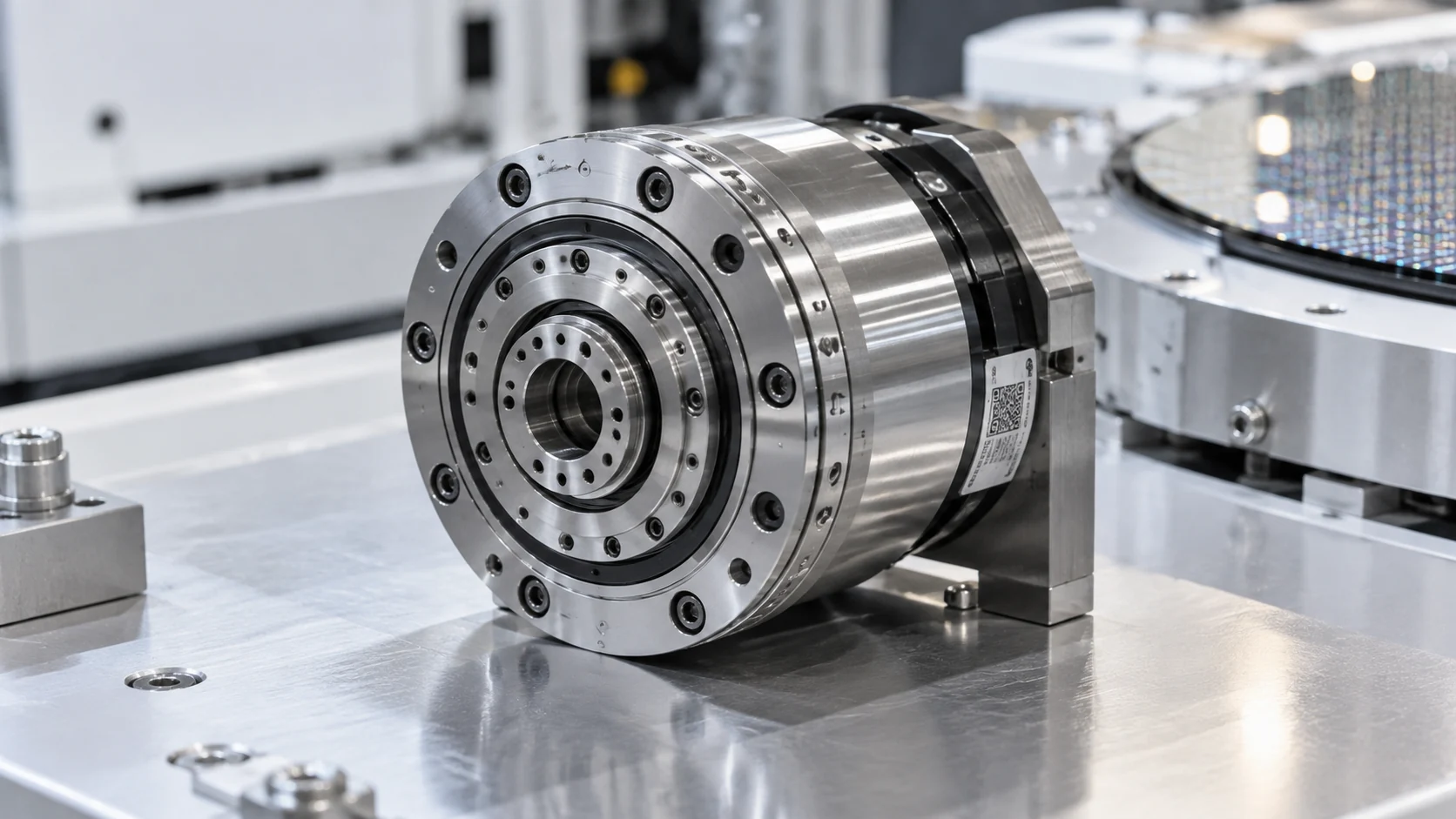
Objective Decision Making
Backlash or lost motion can undermine wafer-handling robot positioning. Compare rebuildable parts with a matched replacement.
OEM service can provide a manufacturer-specified replacement route; availability and lead time depend on the model and current support status.
Compare the provider’s experience with the actual reducer type and measurable lost motion.
We assess serviceable bearings and transmission components where the reducer design permits repair. If the core gearing is unsuitable, we can investigate a matching reducer instead.
We repair serviceable bearings and transmission parts in suitable reducers, or source a matched replacement for damaged core gearing.
Inspect bearings, wave generator and flexspline/circular spline engagement. Cracks or severe flexspline fatigue may rule out a dependable rebuild.
Review crankshaft, bearings, pin/gear engagement and output fit according to the actual RV construction.
Check applicable lost motion, rotational condition, ratio and mounting interface before returning or substituting a reducer.
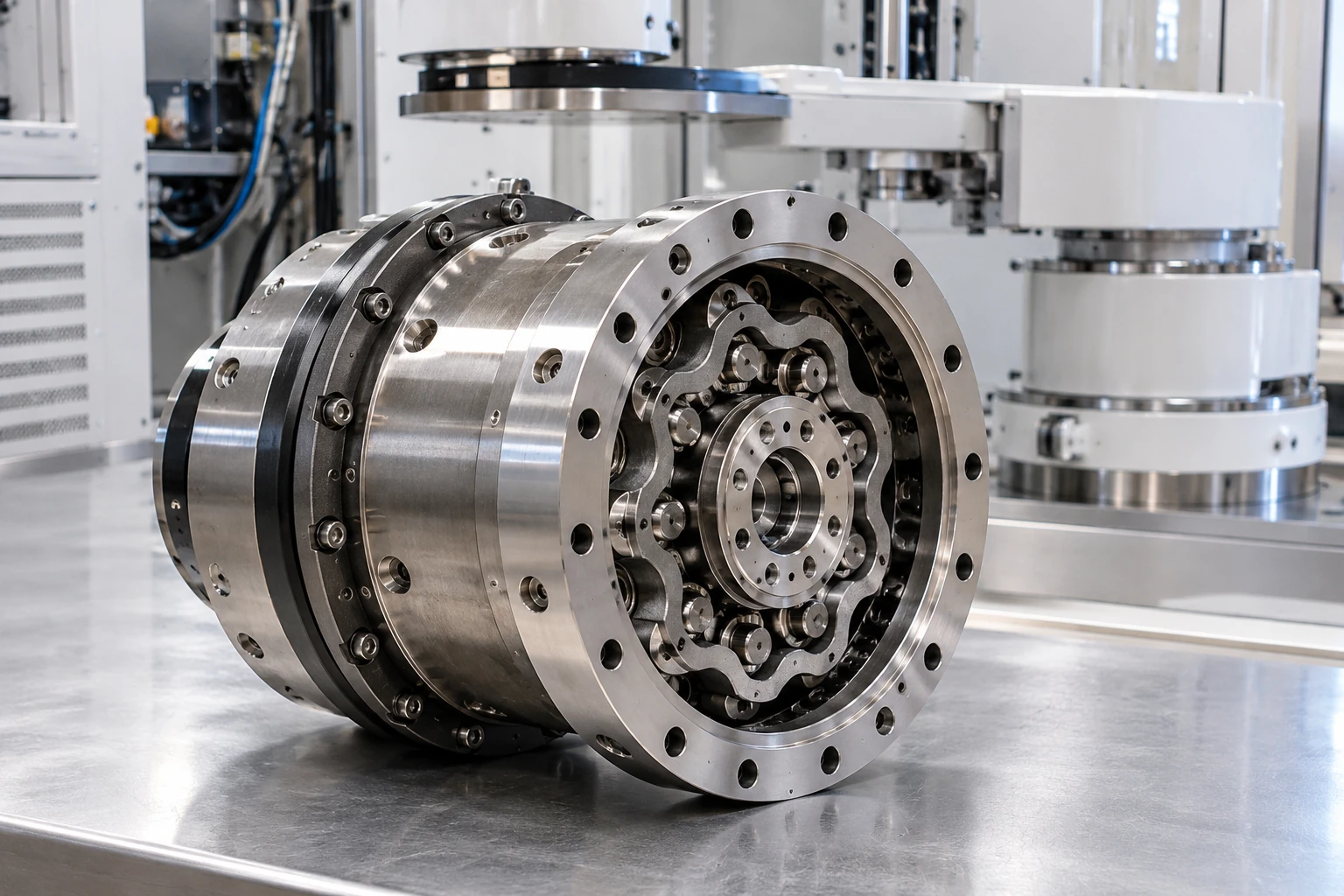
Repair and Sourcing
Restore a repairable reducer or match a replacement to the installed robot axis.
Replace serviceable worn components and check fit and lost motion; cracked core gearing may call for replacement.
For damaged core gearing, we source by reduction ratio, mounting pattern, output interface and actual unit condition.
Engineering Standard
Inspect accessible transmission components for wear, bearing damage and lost motion, according to the reducer construction.
Replace serviceable bearings or other worn parts according to the specific model and appropriate lubrication requirements.
Assess applicable assembly fit and running clearance; any adjustment method follows the specific reducer design.
Check backlash or lost motion against the model-specific measurement method and limits.
A wafer-handling robot showed repeated positioning jitter, and full-assembly replacement was being considered.
We tore down the reducer. The flexspline was heavily fatigued. The fatigued core was unsuitable for a dependable rebuild under the stated duty conditions.
We recommended replacement, sourced a reducer to match the ratio and interface, and checked its condition and backlash before dispatch.
Before You Send It
Clear answers on repair risks, timelines, and the fallback plan.
We assess strain-wave/harmonic and RV/cycloidal reducer constructions separately. Repairable parts and methods depend on the design and failure found.
Bearing wear, damaged engagement components, preload changes or assembly issues can affect output accuracy. The affected mechanism is assessed before repair work.
No. A fatigued or cracked flexspline may make continued repair uneconomic. A matched replacement reducer can then be the more reliable route.
A suitable repair can preserve the installed reduction ratio, mounting interface and mechanical envelope while avoiding unplanned robot or axis modifications.
We can investigate replacement units and related parts using the original reducer identification, ratio and installation requirements.
Applicable checks can include backlash, rotational condition and mechanical fit. Final positioning accuracy must be verified on the installed axis or robot.
Repair feasibility, gear type, damaged parts and sourcing availability are considered before a repair or replacement path is proposed.
Next Step
Send us the reducer model, equipment platform, and fault symptoms. Our engineers can assess repairable parts and compare a matched replacement for your installed axis.
Discuss Your Reducer Fault ↗