Semiconductor Equipment Service
Vacuum Pump
Repair & Rebuild
Vacuum pump repair for semiconductor dry pumps and turbomolecular pumps. Seizure, longer pump-down, abnormal noise or rising vibration can interrupt the process. GK-SEMI helps identify the failed pump components, restore a serviceable unit, or find a matched replacement when rebuild is not practical.
Service Scope
Vacuum Pump Repair Scope
Dry and turbomolecular pumps require different inspections. Start with the pump design, process exposure, and measured symptom rather than applying a single generic overhaul.
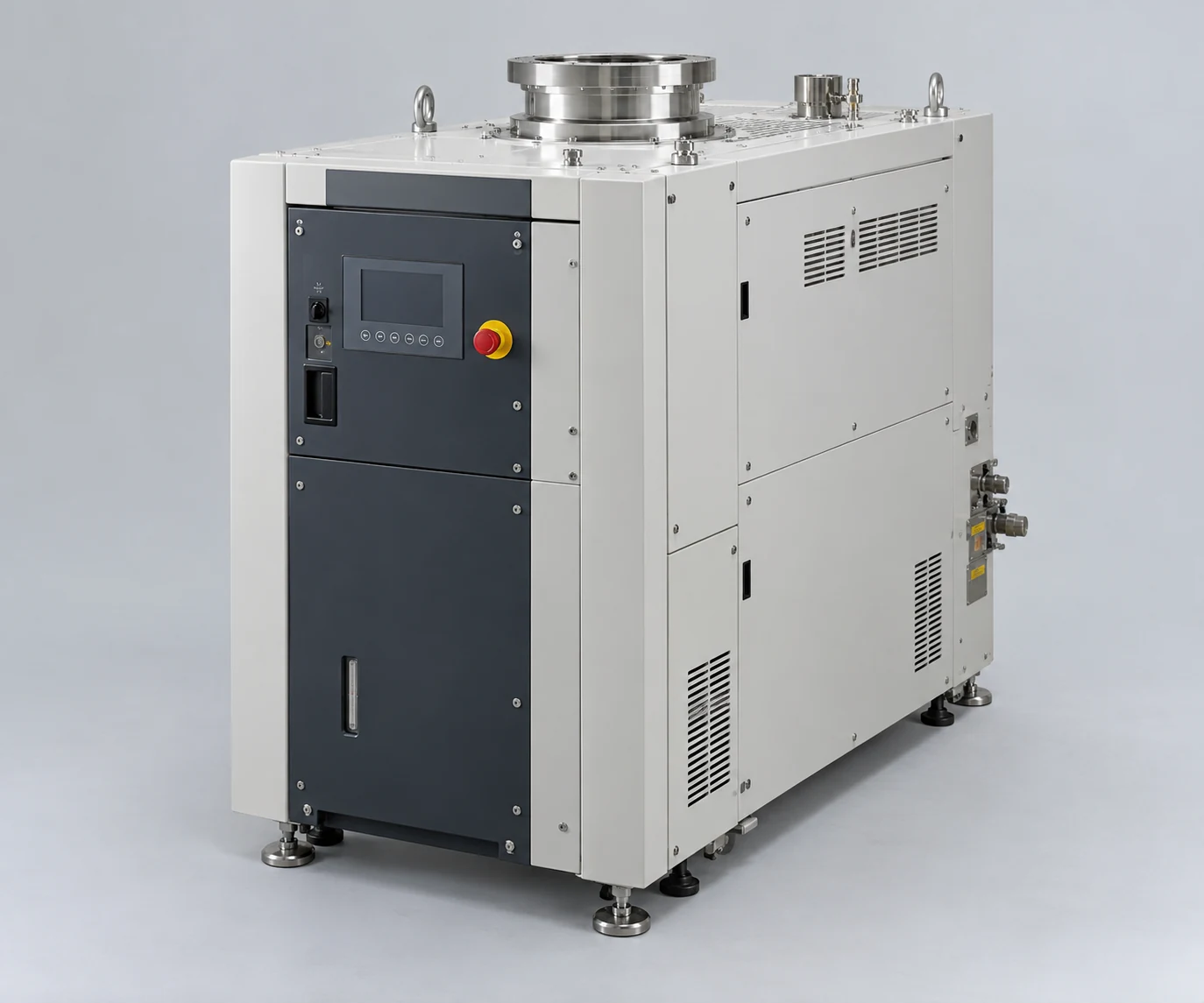
Semiconductor Dry Pumps
For screw, claw and multistage dry pumps with rotor deposits, seizure, noise or deteriorating pump-down performance.
- Process-residue and chamber inspection
- Rotor, bearing and seal condition
- Clearance and pumping performance checks
Turbomolecular Pumps
For turbo pumps with abnormal vibration, bearing or suspension faults, speed errors and controller-related symptoms.
- Rotor and bearing condition
- Speed, vibration and controller checks
- Specialist balancing where applicable
Repair, Rebuild or Source
When corrosion, rotor damage or parts availability makes the original unit uneconomical to recover.
- Repair feasibility and scope
- Compatible refurbished pump sourcing
- Matched model, connection and application
Engineering Assurance
Keep Your Pump in Service
Technical review should reduce the risk of paying for an overhaul that will not restore reliable pumping. We connect the repair route to the original process application.
01 Process-Aware Inspection
Process deposits, gas exposure and maintenance history matter. We review the declared media before recommending cleaning, inspection and suitable component work.
02 Relevant Performance Checks
Post-repair checks cover running condition, pressure performance and leak integrity according to the pump design and repair scope. After reinstallation, system pump-down testing confirms performance with the chamber and connected vacuum lines.
03 Matched Recovery Options
If structural rotor damage or unavailable parts make rebuilding poor value, the same inquiry can move toward compatible used or refurbished equipment and spare-parts sourcing.
Engineering Standard
From Inspection to Return
A practical repair route records the actual pump condition, selects the appropriate component work, and separates bench checks from final system performance.
Process & Safety Review
Disclose the pumped gas and process residues. Handling, decontamination and safe shipment are confirmed before the pump enters the repair route.
Component Inspection
Inspect the rotor chamber, bearings, seals, drive and control interfaces according to the pump design; identify repairable and non-repairable damage.
Targeted Repair & Rebuild
Restore serviceable components and replace damaged wear parts as agreed. A dry-pump rebuild and a turbo-pump repair have different procedures.
Verification & Return
Perform agreed running and pressure checks where possible, then communicate what was tested and what still needs confirmation on the tool.
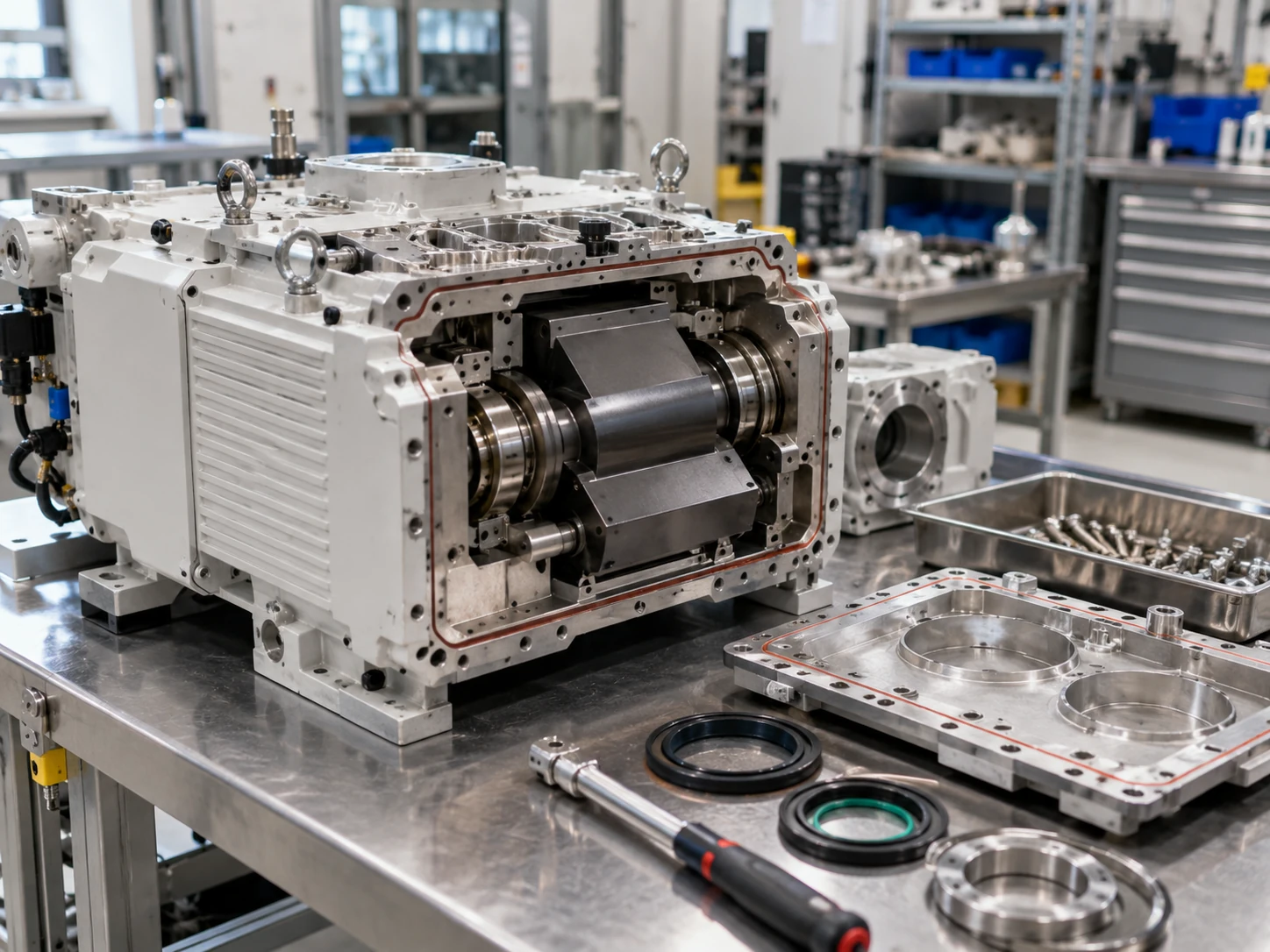
Seized Dry Pump Recovery
Etch process tool, semiconductor fab. The pump seized completely during operation, threatening production yield.
Teardown revealed severe polymer and silicon dust buildup bridging the rotor gap, causing mechanical drag. The critical discovery: the rotor surfaces remained intact and serviceable.
Performed complete chemical decoking of the chamber, verified mechanical clearances, and replaced the degraded elastomer seals. No rotor machining was required.
Bench tested for ultimate pressure restoration. A helium leak check confirmed the seal integrity before returning the original unit for production.
Before You Ship
Vacuum Pump Repair FAQs
Clear answers on process residue, repair limits, and sourcing fallback.
Can a seized dry pump be recovered?
Often, if the housing and rotor surfaces remain serviceable. We review deposit buildup, bearing damage and mechanical clearances before deciding on cleaning, targeted repair or replacement.
How do you check performance after repair?
Checks are selected for the pump design and available test setup. They may include mechanical running, ultimate pressure or leak evaluation. We distinguish bench observations from pump-down results on the customer tool.
What if the rotor or housing is badly damaged?
Deep scoring, corrosion or structural damage can make a rebuild uneconomical. We explain the limit and offer sourcing support for a matched replacement or relevant spares.
Do you support dry and turbo pumps?
Yes, both categories can be reviewed, but service scope differs substantially. Send the manufacturer, model, controller details and fault history so we can confirm a viable route.
What if the pump handled toxic or corrosive gases?
Declare process gases, residue and decontamination status before shipment. Safe handling and packing instructions depend on the actual exposure; an undeclared contaminated pump must not be shipped.
How long will vacuum pump repair take?
Timing depends on the pump design, inspection findings, replacement parts and required testing. We confirm an estimated schedule for the specific unit rather than advertising a fixed universal turnaround.
Can you source a compatible replacement pump?
We can review used or refurbished sourcing by exact model, electrical supply, inlet and outlet connections, control interface and process application. Availability is confirmed separately.
What should I send for an initial review?
Provide the pump label, model, error codes, recent operating symptoms, process medium and any available pressure or vibration history. Photographs are useful even before a detailed report is available.
Next Step
Need Vacuum Pump Repair?
Share the pump model, the process medium, and the fault symptoms. Our engineers will provide a clear assessment and recovery plan.
Talk to GK-SEMI Online ↗