Semiconductor Equipment Service
Vacuum Valve
Repair & Refurbishment
Vacuum valve repair for semiconductor isolation and pressure-control valves. Leakage, sluggish motion and unstable APC tracking call for different repair actions. GK-SEMI evaluates the seal, actuator and position-control path, with a matched replacement route when the original valve cannot be reliably restored.
Service Scope
Where Valve Performance Fails
A leak is not the same failure as a sticking gate or an unstable throttle. The valve type, process chemistry and actuator determine the useful repair scope.
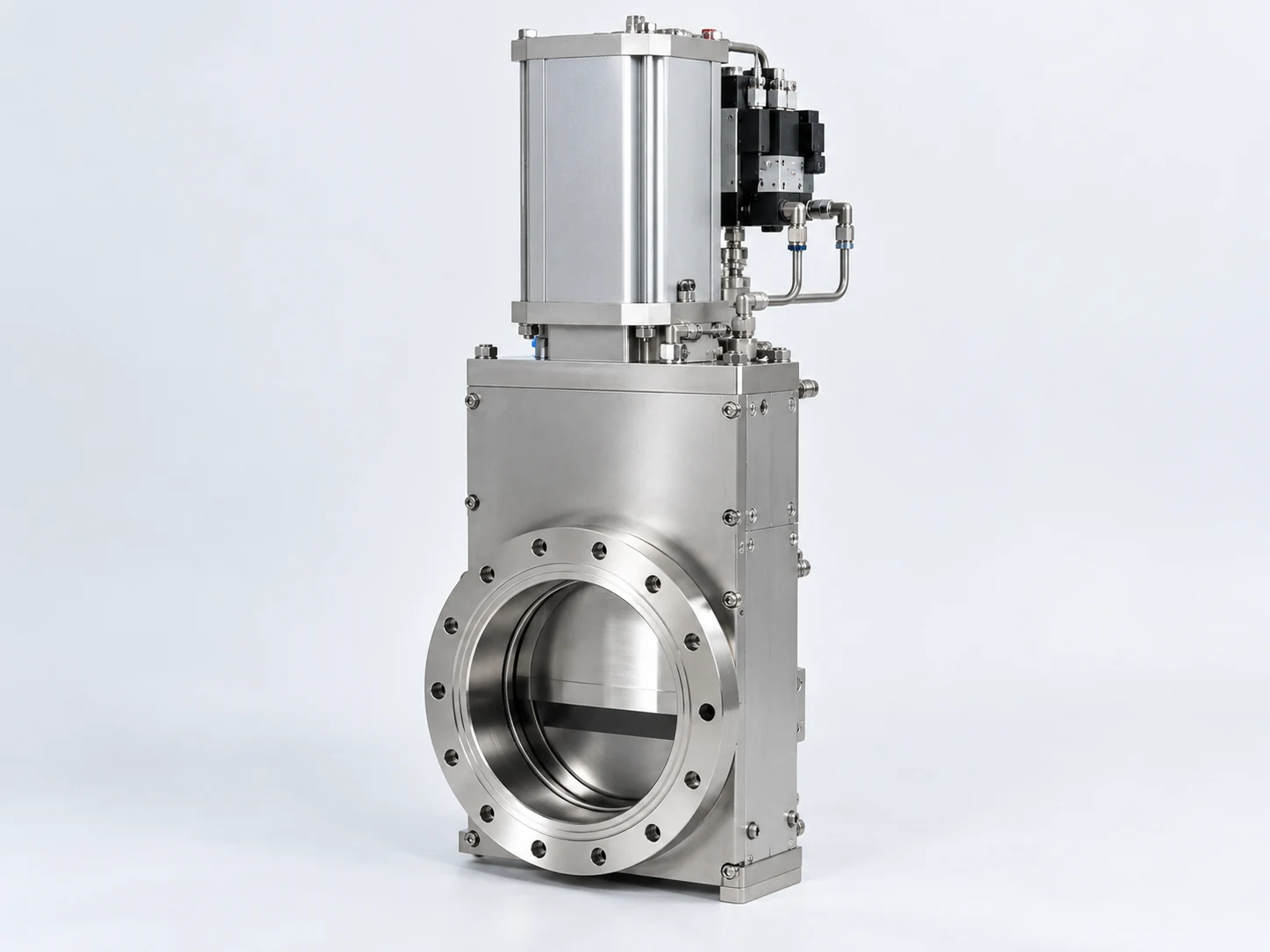
Seal & Seat Integrity
Leaking gate, slit and isolation valves need inspection of the seat, sealing surface, seals and bellows.
- Seat and flange sealing surfaces
- Process-compatible seals and bellows
- Internal versus external leak checks
Motion & Actuation
Slow stroke, incomplete travel or sticking may involve pneumatic seals, bearings, linkages, motors or end-position sensors.
- Pneumatic / motor actuator function
- Travel, limit sensors and alignment
- Mechanism cleaning and wear checks
APC / Throttle Control
Pressure hunting can involve a dirty throttle plate, a binding drive or incorrect position feedback, not simply a chamber leak.
- Throttle movement and plate deposits
- Motor, encoder or potentiometer feedback
- Controller/interface and position checks
Engineering Assurance
Keep the Valve in Service
The practical objective is to restore a valve that seals, moves and responds as intended without replacing a complete assembly unnecessarily.
01 / Restore the Critical Function
We focus on the failed function: sealing, travel or pressure regulation. Cleaning, seal replacement, mechanism work and feedback repair are selected for the actual valve condition.
02 / Agree the Check
The verification plan can separate seat leakage, external leakage, travel and feedback response. Leak test limits and methods must be tied to the valve design and service agreement.
03 / Preserve the Installed Fit
For older or discontinued valves, retaining the original flange, actuator interface and installed controls can be valuable. Where repair is not viable, we help find a match by model and configuration.
Engineering Standard
Repair, Overhaul or Replace
Repair the Failed Function
For an isolated failure, focus on the affected seat seal, control feedback, linkage or actuator rather than assuming the whole assembly needs rebuilding.
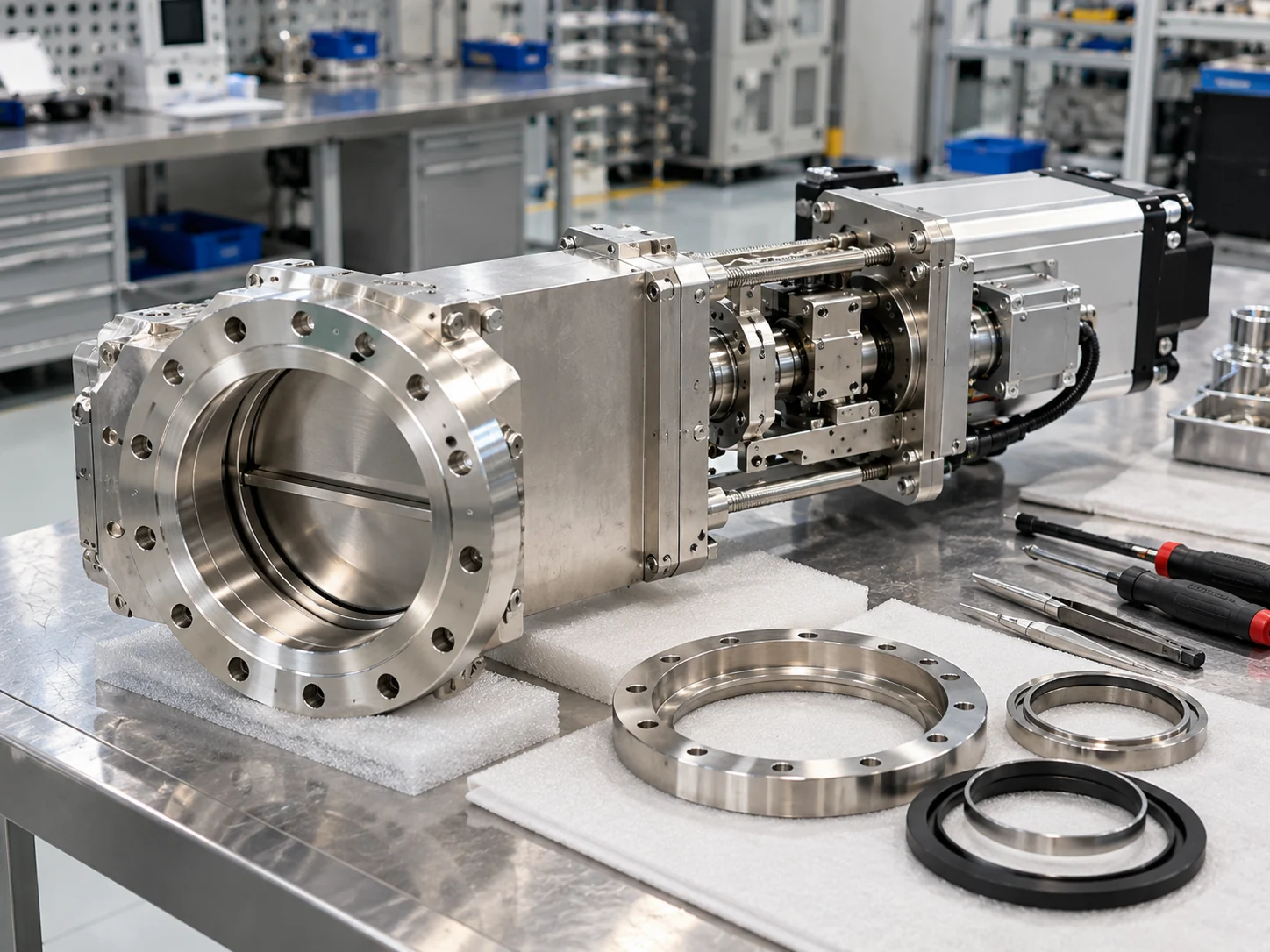 Actuator & seat
Overhaul Worn Components
When wear or process deposits affect multiple parts, assess disassembly, cleaning, selected seals, bellows and mechanism components. Materials depend on chemistry and valve design.
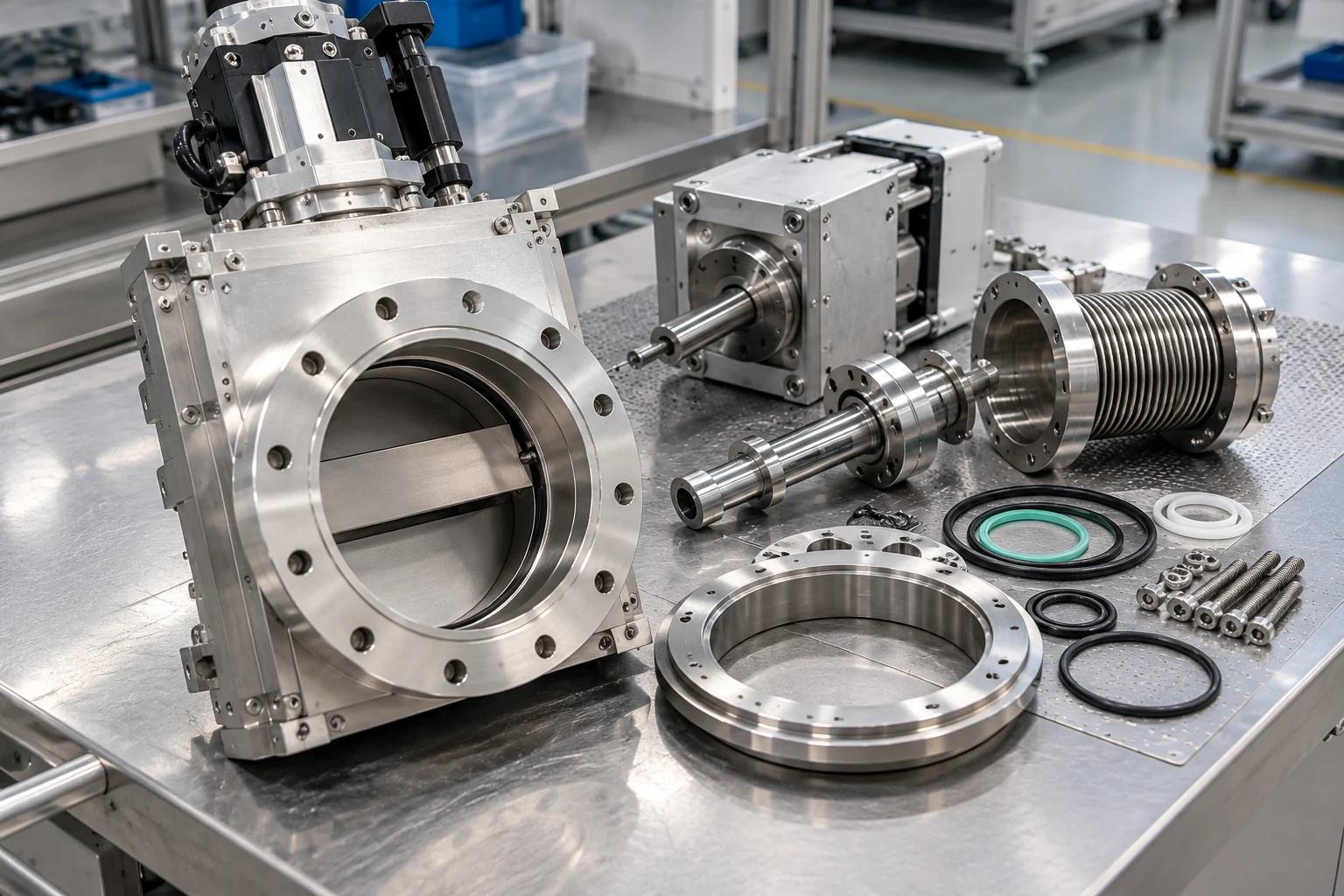 Disassembly & seals
Verify Sealing & Motion
Define relevant checks for internal/external leakage, stroke and feedback response before return. A tested valve still needs compatibility and functional confirmation on the installed tool.
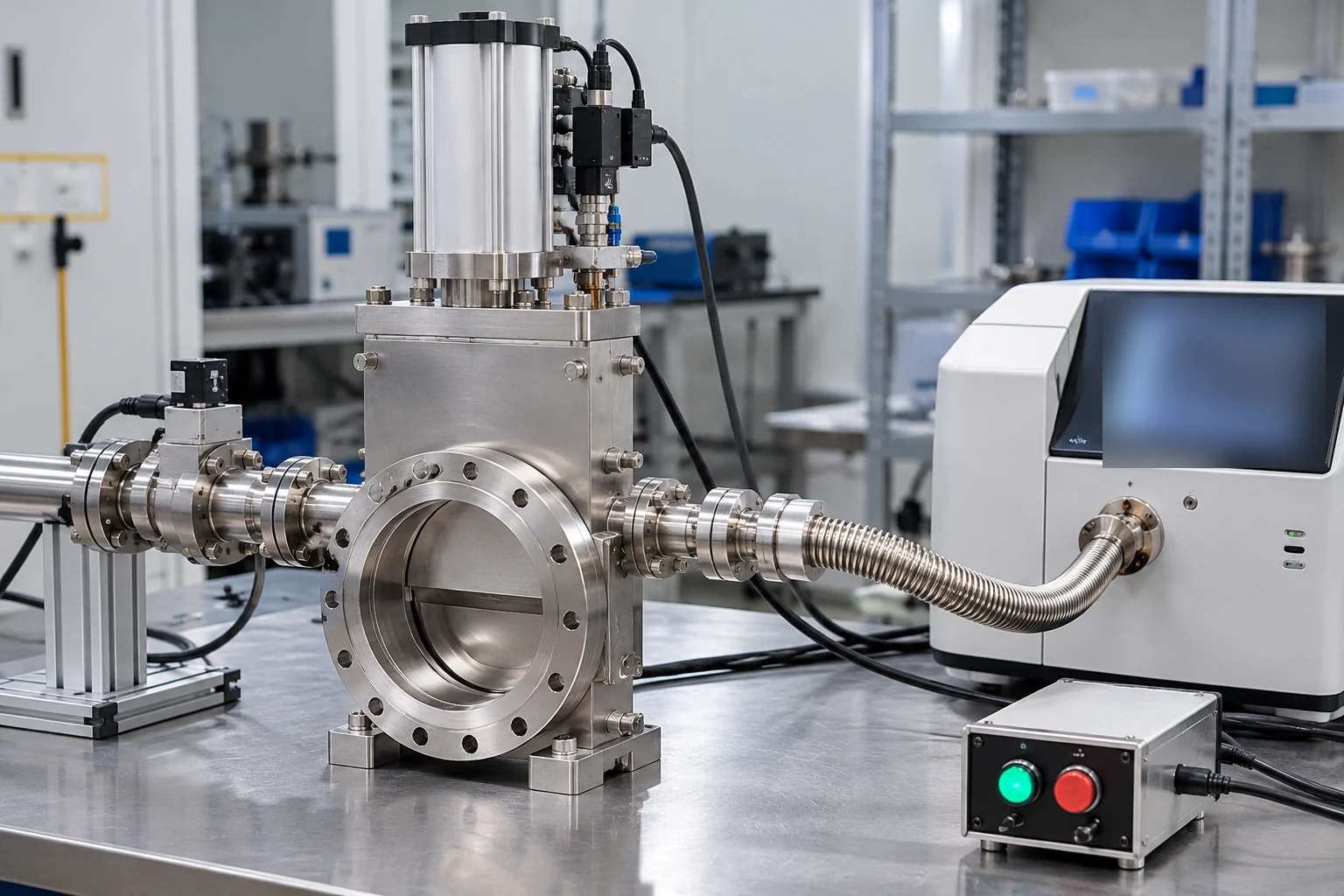 Leak & motion
Source a Matched Valve
If body damage, seat condition or parts availability prevents a dependable repair, compare model, flange, actuator, control signal and process requirements for a replacement.
Matched valve
Diagnostic Case Report
Resolving APC Throttle Drift
Reported Symptom:
Chamber pressure oscillated during etch, causing process drift and wafer scrap. The OEM recommended replacing the entire APC valve assembly.
Bench Diagnostic:
Teardown revealed particulate buildup on the throttle plate causing mechanical binding, compounded by a degraded position potentiometer sending false feedback to the controller.
Repair Action:
We performed cleaning of the affected throttle assembly, replaced the potentiometer, and recalibrated the actuator stroke. The valve was verified for smooth 0-100% travel and passed the helium leak test.
Before You Ship
Vacuum Valve Repair FAQs
Clear answers on leak testing, actuator repair, and sourcing fallback.
Is the valve leaking internally or externally?
Internal seat leakage and external body/flange leakage are separate faults. The valve model, seal design and appropriate test conditions determine the checks and repair route.
Can you repair a gate or slit valve that sticks?
We inspect contamination, actuator travel, linkage, pneumatic behavior and position sensors. The repair may target the mechanism or actuator instead of replacing the complete valve.
Does every refurbishment need a new bellows?
No. Bellows replacement depends on condition, material, availability and the agreed overhaul scope; a cracked or leaking bellows must not be treated as a simple cleaning issue.
Do you repair APC throttle valves?
Yes, pressure-control symptoms can be reviewed for throttle movement, deposits, actuator faults and position feedback. The cause should be distinguished from other chamber-pressure issues.
Which seal material should be used?
Seal selection depends on process chemicals, temperature and the specified valve design. An FKM or FFKM trade name alone does not prove suitability for every application.
How is a valve verified after repair?
Relevant work may require seat leakage, external leakage, motion and feedback checks. Any numeric leak limit is agreed for the particular valve and test method.
Can you source obsolete vacuum valves?
We can review a replacement against the model, flange pattern, actuator type, control interface, materials and process conditions. Substitutes are not accepted on appearance alone.
What information starts a valve assessment?
Send the nameplate, valve type, actuator/control details, leak or motion symptoms and process medium. Photos of the flange and actuator are especially helpful.
Next Step
Need Vacuum Valve Repair?
Share the valve model, the process medium, and the fault symptoms. Our engineers will provide a clear assessment and recovery plan.
Talk to GK-SEMI Online ↗