RF Amplifier & Power Conversion
Repair of failed transistors, driver circuits, and DC power supply rails.
- IGBT / MOSFET power modules
- Switching power supplies
- Capacitor banks and output filters
Semiconductor RF Generator Repair
Repair support for semiconductor RF generators with no output, unstable power or recurring protection trips.
We split the fault across power stage, RF output, control and protection circuits before defining a repair scope. Component-level repair is performed only where the assembly can be restored to rated output. Obsolete units are evaluated for continued service or part-matched sourcing.
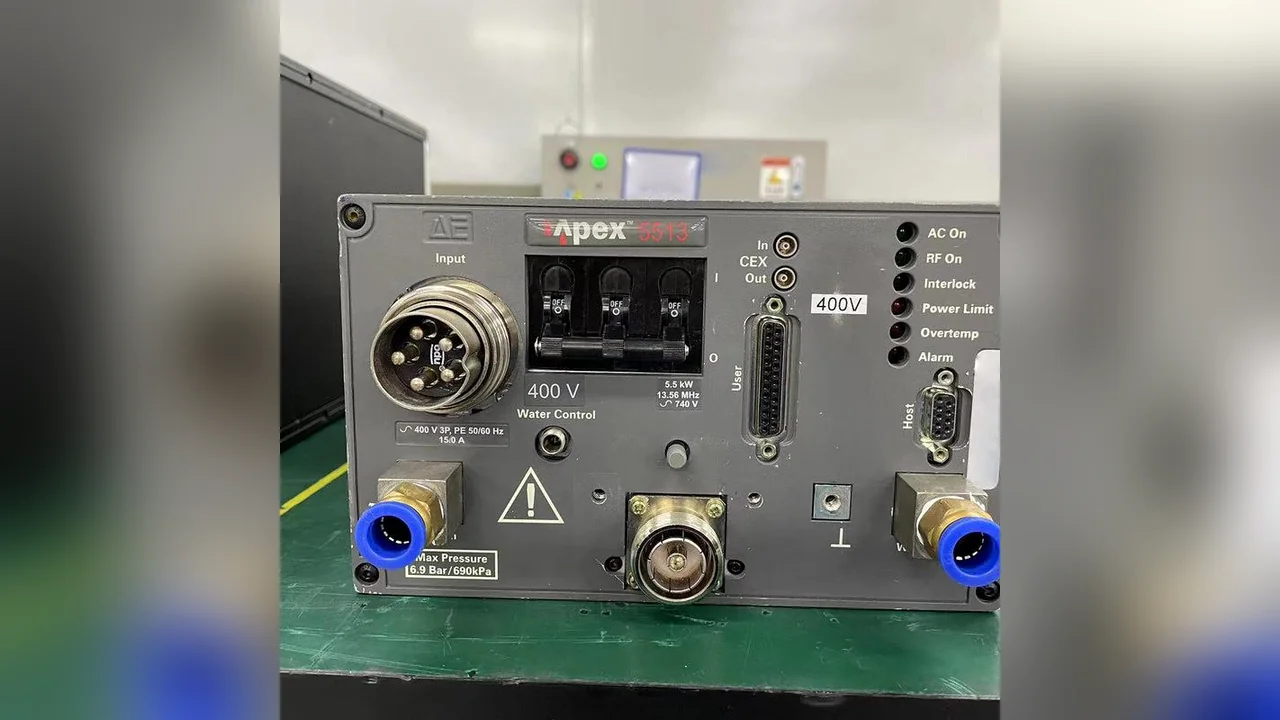 Semiconductor RF generator
01 / Repair coverage
Our repair scope covers the internal architecture of RF generators. We trace electrical faults to board or component level where feasible, not only complete module replacement.
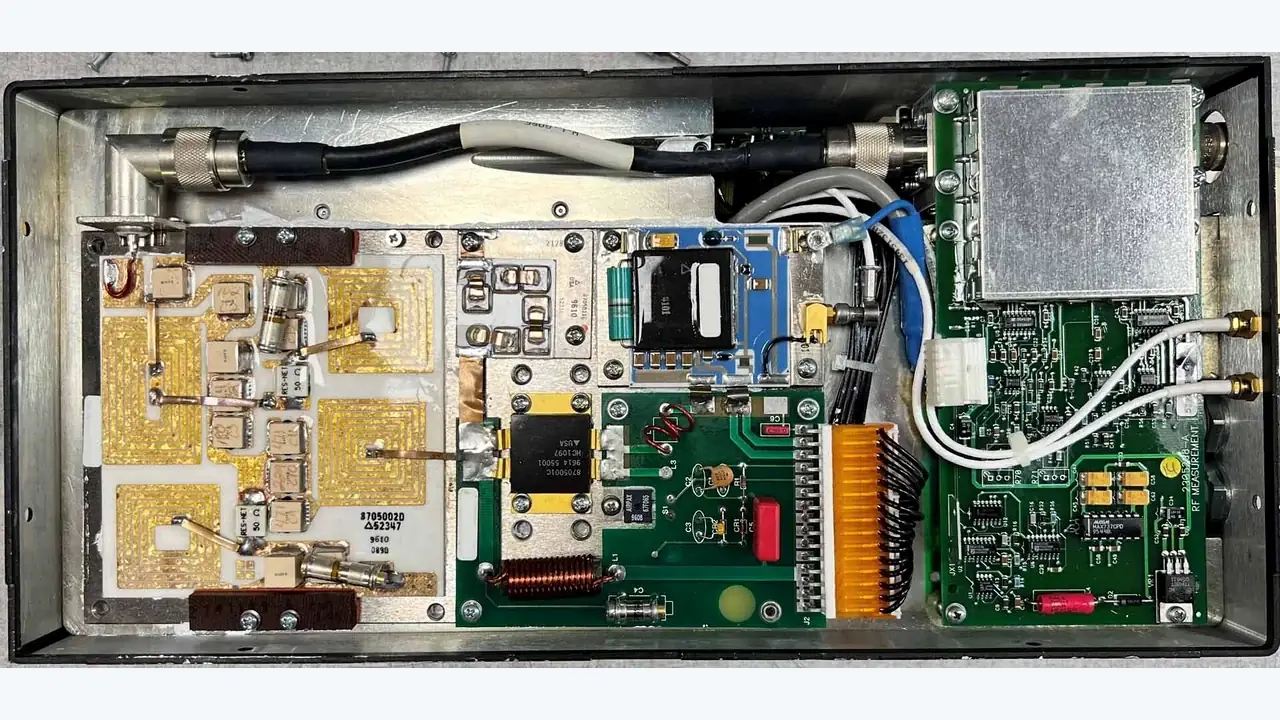
Repair of failed transistors, driver circuits, and DC power supply rails.
Tracing sensor faults, communication errors, and unstable regulation loops.
Resolving repeated trips, thermal alarms, and interlock failures.
Assessment of connectors, feedthroughs, and internal high-voltage wiring.
Note: We specialize in generator-side electronics. For matching network tuning or chamber-side RF delivery issues, please refer to our RF Matching Network Repair service.
02 / Repair workflow
We operate a structured 4-step workflow. No repair work is initiated until a diagnostic assessment has been provided and formally approved.
We log the model, serial number, and reported fault. An initial power-on test is performed to establish a baseline and confirm safety.
We isolate the fault down to the board or component. We provide a written report detailing the findings, recommended repair scope, cost, and timeline.
Once approved, our technicians replace failed components (IGBTs, capacitors, ICs) and restore function where feasible.
The repaired unit is connected to a dummy load to verify output power, waveform integrity, and protection thresholds before shipment.
03 / Load Testing & Verification
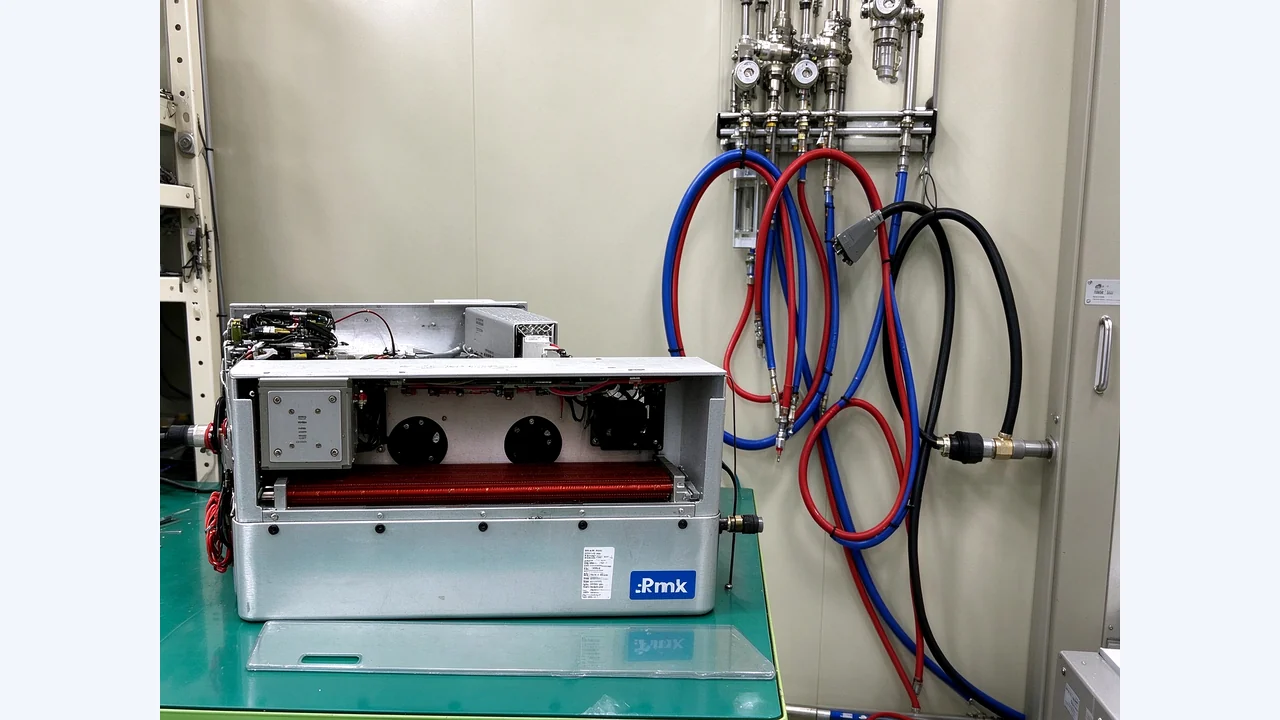
Generator functionality is verified under simulated operating conditions. Repaired units are tested against a water-cooled dummy load to confirm power delivery, signal stability, and protection circuit response.
Oscilloscope tracing of drive signals and RF envelopes to check clean amplification.
up to rated power where the test facility permits to verify real power delivery.
Over-temp and VSWR mismatch conditions are induced under controlled bench setup, with trip points and recovery behavior recorded against the unit’s rated protection specification.
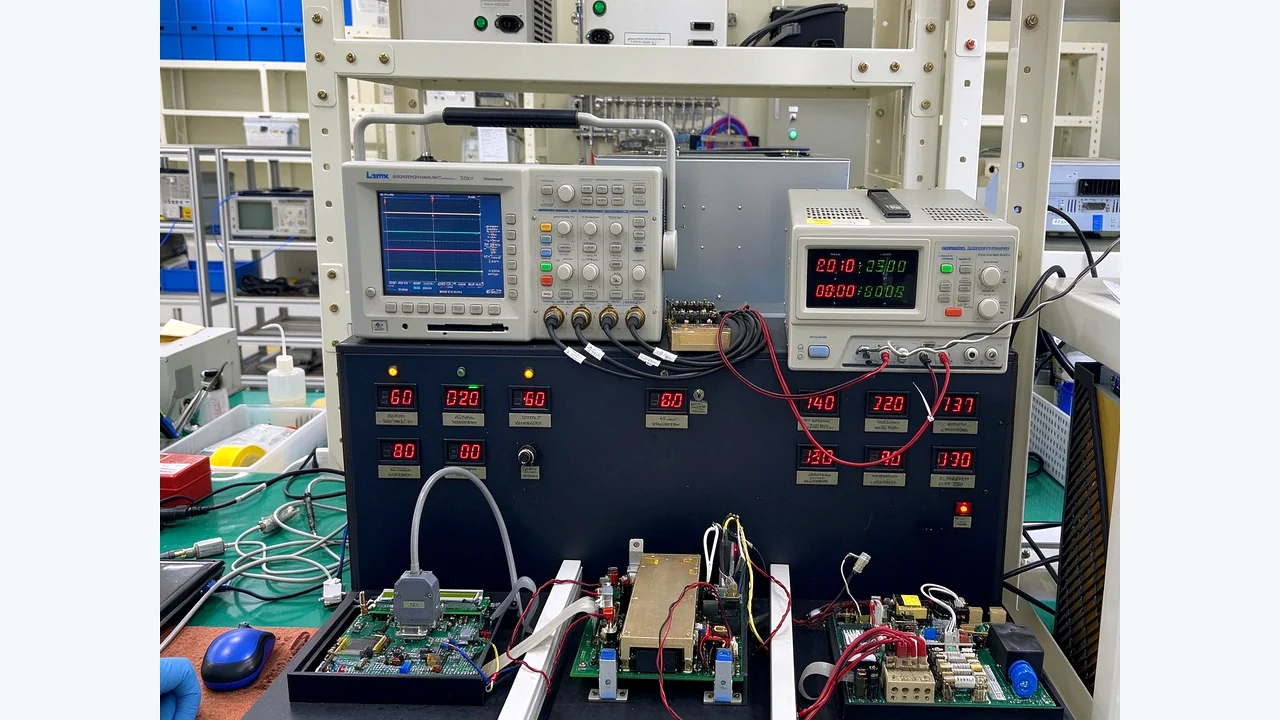
Bench Boundary: Dummy-load testing verifies generator electronics. It does not guarantee plasma ignition or process results, which depend on the chamber, matching network, and recipe.
04 / Typical Repair Scenarios
typical failures we see on the bench, from modern AE units to legacy ENI systems.
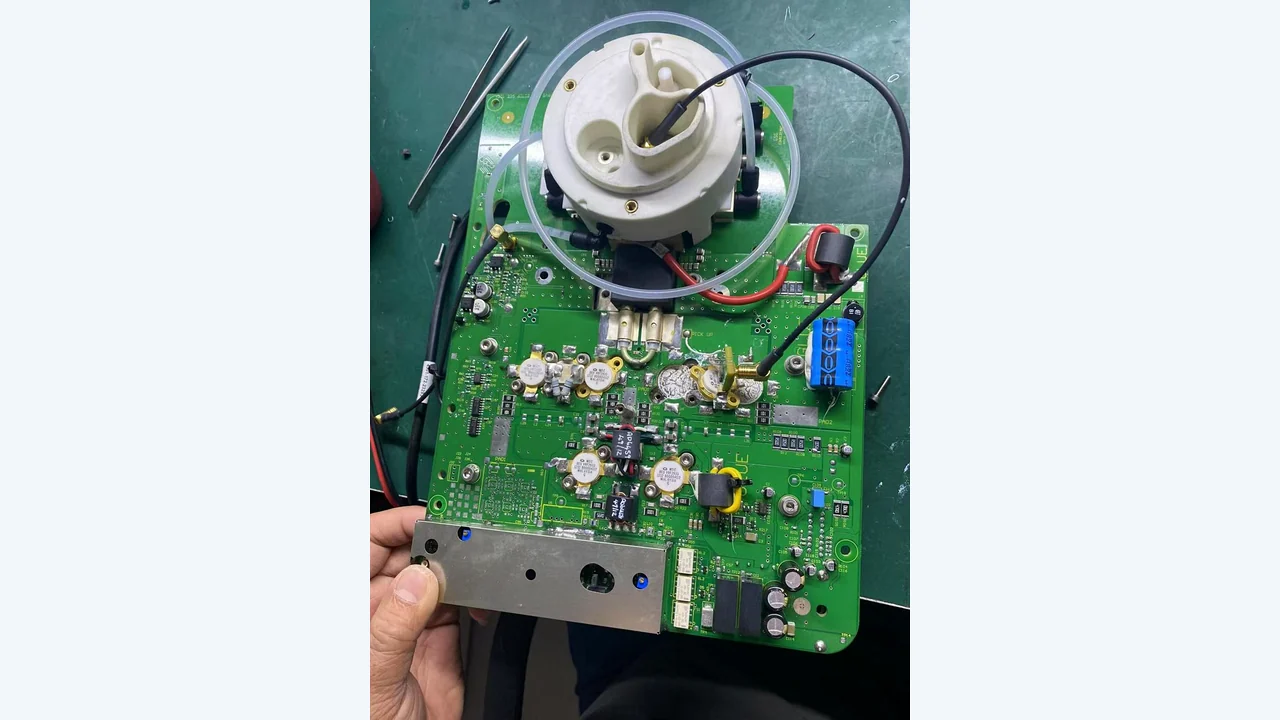
Reported: Generator powers up, but RF ON command fails.
Diagnostic Split: Tool-side RF ON enable and interlock loop were verified first. The generator received the command but did not latch its internal RF ON state, narrowing the fault to the control board logic rather than the external command path.
Our Fix: Traced open interlock loop on the rear panel and replaced a failed logic IC on the control board.
Reported: Old ENI/Comdel unit trips after warm-up.
Diagnostic Split: No-load and under-load tests isolated the trip to the internal RF amplifier, ruling out external cable and load mismatch contributions.
Our Fix: Replaced degraded thermal pads, refreshed cooling paths, and replaced aging power transistors in the RF cavity.
05 / Legacy equipment support
For older or discontinued RF generators, we review the fault, component availability and repair feasibility. If the original unit cannot be returned to service, a compatible alternative can be assessed against the installed tool.
When the fault can be isolated and serviceable parts are available, we repair the installed RF generator and retain its existing interfaces.
If repair is not practical (e.g., catastrophic transformer failure), we assess a potential replacement against strict electrical and tool-side requirements.
Questions before shipment
Answers about RF power supply repair, common generator faults, legacy units and return testing.
Many RF generator faults can be assessed at component or module level. Feasibility depends on the generator architecture, the failed section, component condition and parts availability.
Possible causes include input power problems, remote enable or interlock conditions, RF ON control faults, internal power-supply issues, driver circuits or the RF output stage. The unit and connected control signals need to be checked.
Low RF output can be related to the RF amplifier, power conversion stage, supply rails, regulation feedback or thermal behavior. External load and matching conditions should also be considered.
These faults can be assessed by reviewing current sensing, thermal sensors, cooling or fan operation, power devices and protection circuits. The alarm history and time to trip help narrow the inspection.
Older and discontinued units can be reviewed for repair. The decision depends on the failure, parts availability and whether the required functions can be checked with a suitable setup.
Where the model and available fixture permit, the repaired generator can be checked against a suitable RF dummy load. The test record should state the load and operating conditions actually covered.
No. A dummy-load test checks the generator under the stated bench conditions. Plasma ignition and process stability also depend on the matching network, RF cable, chamber and process setup.
Semiconductor RF power supply service
Send the generator model and fault symptoms. We will review the repair scope, available service route and the checks appropriate for your unit.