Buying a used die bonder requires more than checking whether the machine powers on. A system may complete its startup sequence and move through basic operations while still having issues with alignment, die pickup, tooling, software, or process compatibility. These problems can become costly if they are discovered only after delivery.
The key is to verify the actual machine against the bonding process it needs to support. Model specifications provide a starting point, but the installed configuration, mechanical condition, and available test evidence determine how much confidence a buyer can place in a particular unit.
As a reliable supplier of used die bonder machines, we help semiconductor manufacturers evaluate equipment according to their application requirements, installed options, and available condition information. Our focus is on helping buyers understand what a machine can support, what has been verified, and what still needs attention before a purchasing decision is made.
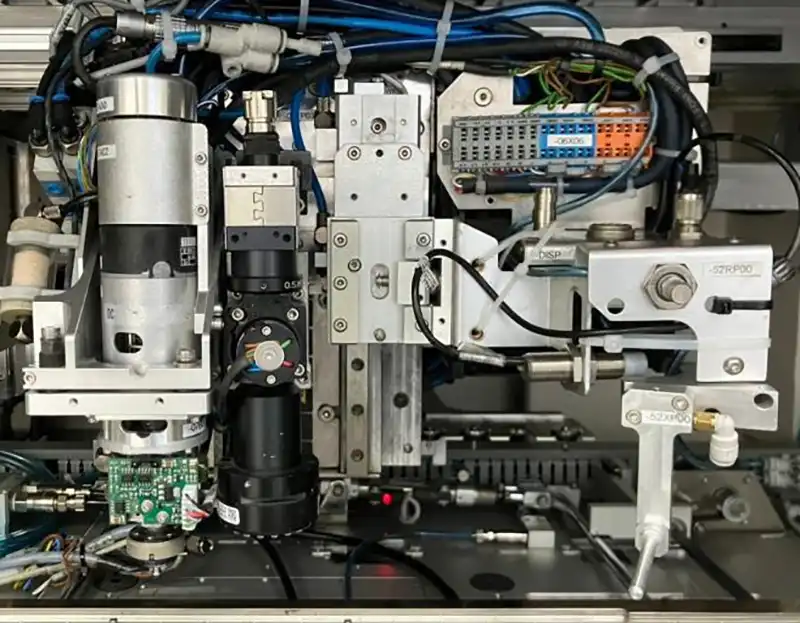
Identify the Exact Model and Installed Configuration
Start by confirming the identity of the machine being offered. A model name alone does not establish its complete capabilities, particularly when a product family includes multiple generations or optional modules.
Request current photographs of the nameplate, machine interior, bonding area, control system, and included accessories. Check that the model designation and serial number match the quotation and equipment records.
The configuration review should cover:
Bonding method: Epoxy die attach, eutectic bonding, flip-chip placement, or another process.
Bond head and tooling: Installed head type, collet interface, tool holders, and available fixtures.
Vision system: Camera arrangement, alignment functions, and relevant software options.
Material handling: Wafer handling, ejector system, tray or substrate handling, and loading modules.
Process functions: Dispensing, heating, force control, or other application-specific features.
Control system: Controller generation, software version, and available configuration records.
Two machines of the same model may differ in important ways. Establishing the installed configuration early helps prevent a buyer from paying for a platform that cannot support the intended production process without additional modifications.
Confirm That the Machine Matches Your Bonding Process
Before arranging an inspection, define the application the die bonder must handle. This makes it possible to distinguish essential functions from optional features.
A machine used for epoxy die attach may require a different inspection scope from one used for eutectic bonding or flip-chip assembly. The required heating arrangement, material handling, alignment method, and tooling depend on the process.
Prepare the following information before asking a supplier to demonstrate the machine:
| Requirement | What to specify |
|---|---|
| Die format | Die dimensions, thickness, and source format |
| Receiving material | Substrate, leadframe, carrier, or package type |
| Bonding process | Epoxy, eutectic, flip-chip, or another applicable method |
| Alignment | Required reference features and placement tolerances |
| Process modules | Heating, dispensing, ejector, or other necessary options |
| Production target | Expected throughput, product mix, and changeover requirements |
These details give the inspection a clear purpose. Rather than asking whether a machine works in general, the buyer can determine whether the available configuration is appropriate for a specific application.
Inspect Motion, Mechanical Condition, and Repeatability
A basic startup test confirms that the machine can initialize under the demonstrated conditions. It does not establish how consistently the mechanisms perform during repeated operation.
Inspect the motion axes, bond head, stage, wafer table, and material transport mechanisms fitted to the unit. Watch for abnormal noise, vibration, inconsistent travel, unexpected alarms, or repeated homing problems.
Where possible, request repeated movements or a controlled operating cycle. Record the functions tested, the observed results, and any adjustments or faults encountered. If placement repeatability is critical, agree on an appropriate test method and acceptance criteria before the inspection.
Maintenance records can provide additional context. Repairs involving motors, encoders, bearings, stages, or bond head assemblies may indicate areas that deserve closer examination, although a past repair does not automatically mean the machine is unsuitable.
The objective is to understand the machine's current behavior rather than infer its condition from age, appearance, or a short demonstration.
Check the Bond Head, Pickup Tool, and Ejector System
Die pickup and placement depend on the interaction between the bond head, tooling, vacuum system, and ejector assembly. A problem in any of these areas can affect handling consistency.
Inspect the visible condition of the bond head, collet or nozzle interface, tool holder, ejector components, and relevant sensors. Look for contamination, wear, damaged interfaces, or signs of improvised repairs.
During a representative demonstration, observe the sequence from die pickup through transfer and placement. Check for repeated pickup failures, dropped dies, or unusual handling behavior. Confirm whether the tools required for the intended die dimensions are included in the sale.
If additional collets, ejector needles, fixtures, or other process-specific parts are required, identify them before finalizing the purchase. Missing tooling can create delays even when the main machine is operational.
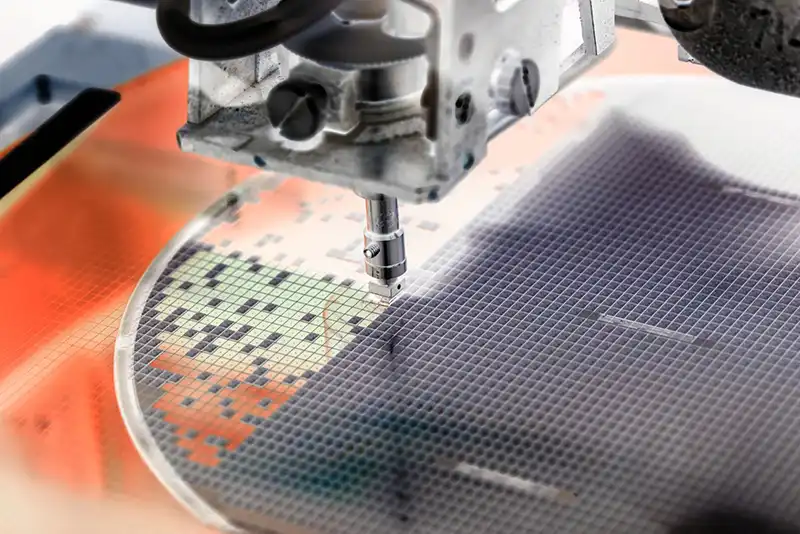
Verify Vision and Alignment Performance
The presence of a camera or a functioning vision display does not, by itself, prove that the machine can meet the required placement performance.
Check image clarity, focus, illumination, reference recognition, and the alignment functions available in the installed configuration. Confirm that the system can identify the relevant die and substrate features for the intended application.
For precision bonding, request a repeatability demonstration using suitable samples where practical. Record the test conditions, measurement method, sample quantity, and observed results. If the supplier provides alignment or placement data, establish whether the data comes from the specific machine being offered and under what conditions it was obtained.
A single successful placement is not enough to establish consistent accuracy. Manufacturer-rated specifications should also be distinguished from measured results for the individual used unit.
If the necessary performance cannot be verified before shipment, document the limitation and agree on the additional testing or qualification required.
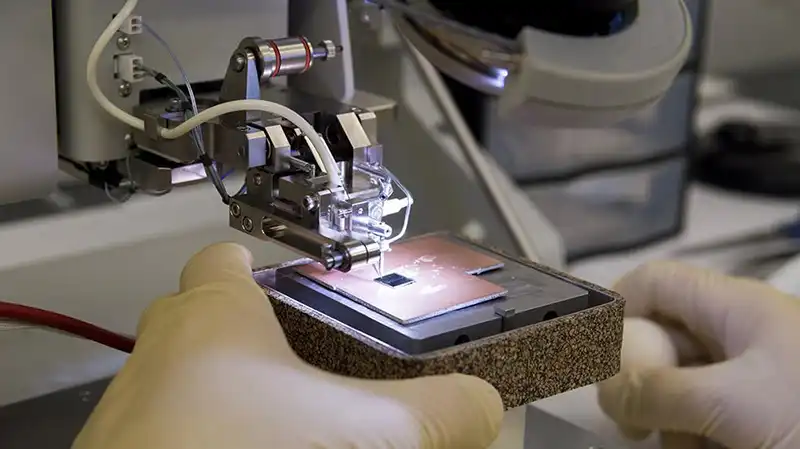
Trace the Material-Handling Route
Material handling is another area where configuration differences can affect production readiness.
Follow the material path from loading through pickup, placement, and unloading. Depending on the platform, this may involve wafer frames, wafer tables, ejector assemblies, trays, carriers, leadframes, substrate fixtures, magazines, or output bins.
Check the physical dimensions and interfaces of the materials that will be processed. Confirm that the supplied holders and fixtures match those formats and identify any hardware that must be purchased separately.
For automated configurations, observe the loading and unloading sequence and check relevant sensors and interlocks. If the machine needs to communicate with other production equipment, confirm the required interfaces and integration work.
A clear list should distinguish between components already installed, accessories included with the machine, and items that remain the buyer's responsibility.
Review Software, Controller Status, and Documentation
Software and controller issues can be difficult to resolve after a machine has been moved to another facility. Before purchase, establish the status of the controller, industrial PC, installed software version, available backups, and relevant operating documentation.
Where applicable, confirm access to configuration files, machine parameters, calibration data, recipes, and recovery procedures. Clarify whether software licenses or manufacturer-controlled access are required and whether these can be transferred to the buyer.
Existing recipes can be useful, but they should not be assumed to work unchanged with different products, materials, tooling, or process conditions.
Ask about known software limitations, unresolved alarms, unavailable options, and dependencies on older hardware. If complete verification is not possible before shipment, record the issue as an outstanding item rather than assuming it will be easy to resolve later.
Use Maintenance Records to Understand the Machine's History
Maintenance records help explain how the equipment has been operated and what work has been completed.
Request available information about preventive maintenance, component replacement, repairs, recurring alarms, calibration, software changes, and refurbishment. If the previous application is known, that information may also help identify the modules and tooling that were used.
Incomplete records do not automatically rule out a machine, but they increase the importance of direct inspection and functional testing.
If the machine is described as refurbished, request a written scope of work. It should identify the work performed, components replaced, functions tested, and any limitations that remain. Cleaning and cosmetic improvements should not be treated as proof of mechanical restoration or verified bonding performance.
Agree on a Factory Acceptance Test Before Shipment
A Factory Acceptance Test (FAT) defines what the supplier will demonstrate before the equipment is released for delivery. Its scope should reflect the actual machine configuration and the buyer's intended application.
A statement such as “machine running normally” is not sufficient if critical functions have not been checked. Where practical, agree on measurable acceptance criteria and specify which tests will be completed before shipment.
| FAT item | Evidence to request |
|---|---|
| Machine identity | Nameplate, serial number, and configuration record |
| Startup and safety | Initialization sequence, alarms, emergency stop, and relevant interlocks |
| Mechanical operation | Axis movement, bond head operation, and repeated-cycle observations |
| Pickup and placement | Demonstration with suitable dies or representative materials |
| Vision and alignment | Image quality, reference recognition, and agreed alignment checks |
| Material handling | Operation of the included wafer, tray, carrier, or substrate modules |
| Software | Version information, available backups, and required operating functions |
| Documentation | Maintenance information, tooling list, and outstanding issues |
| Final handover | Test results and confirmed list of included components |
As part of our equipment supply process, we believe the inspection scope, available test evidence, and delivery contents should be clear for the specific machine before shipment. Buyers should be able to distinguish between functions that have been demonstrated and those that still require verification or qualification.
Not every machine can complete a full production qualification at the seller's facility. If a test cannot be performed, record the reason, the remaining uncertainty, and who is responsible for resolving it.
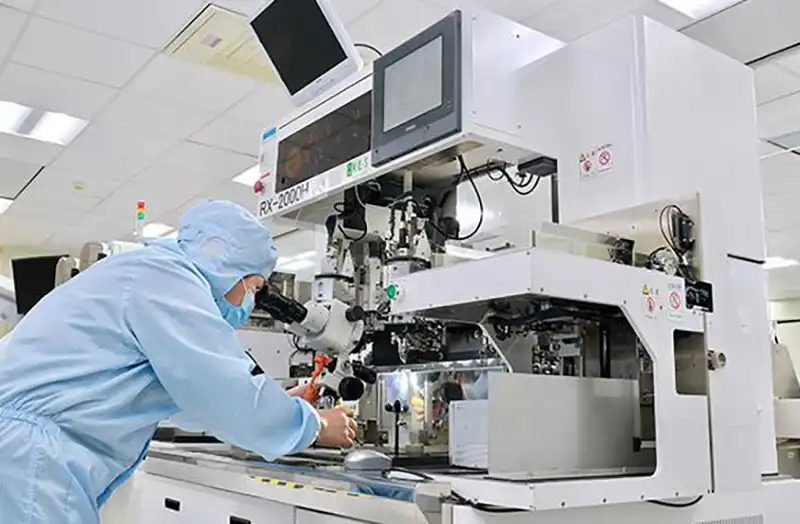
Resolve Outstanding Issues Before Approving Delivery
Inspection findings should translate into clear purchasing conditions.
For example, a vision system may operate normally while placement repeatability remains unverified. In that case, the inspection report should distinguish between basic functionality and confirmed performance. If a fixture is missing, the quotation or delivery list should state whether the supplier will provide it or the buyer must source it separately.
Before approving shipment, reconcile the inspection results with the quotation and packing list. Confirm the agreed configuration, accessories, repairs, testing scope, shipping responsibilities, and any applicable warranty or support terms.
Where possible, retain photographs and video records that identify the actual machine being sold. Link the inspection report and FAT results to its serial number so the documentation relates to the correct unit.
Warning Signs That Need Further Investigation
Some situations deserve additional checks before the purchase is finalized:
The seller cannot provide clear identification or current photographs of the machine.
The installed configuration differs from the quotation.
A power-on video is the only evidence offered for equipment condition.
Critical tooling or handling modules are missing or unidentified.
Vision alignment or representative material handling cannot be demonstrated.
Software access, backups, or controller condition remain unclear.
Refurbishment claims are not supported by a defined work scope.
Acceptance criteria are left unresolved until after shipment.
These warning signs do not necessarily mean the machine should be rejected. They indicate that the buyer should request further evidence, clarify responsibilities, or make resolution of the issue a condition of the transaction.
Sourcing a Used Die Bonder With Confidence
As a reliable supplier of used die bonder machines, we help semiconductor manufacturers identify equipment options according to their bonding process, die and substrate formats, production targets, and configuration requirements. Our goal is to help buyers assess the actual machine rather than make a decision based on a model name or headline specification alone.
When sourcing equipment through GK-SEMI, buyers can share their preferred model, bonding method, die dimensions, substrate format, accuracy requirements, and expected throughput. This information provides a practical starting point for reviewing available options and identifying the configuration details that need confirmation.
Before committing to an order, ask for the specific machine's condition information, installed options, included tooling, software status, available inspection evidence, and proposed acceptance scope. Clear information at this stage helps both sides understand what is being supplied and what remains to be completed before production.
Frequently Asked Questions
Can I buy a used die bonder based on its model number alone?
No. The model identifies the platform, but the installed configuration, tooling, software, condition, and process compatibility determine whether the individual machine can meet your requirements.
Is a startup video enough to verify a used die bonder?
No. A startup video may demonstrate initialization and basic movement, but it does not establish bonding performance, alignment repeatability, material-handling capability, or production readiness.
Should I request a bonding test before purchase?
When practical, yes. A representative test provides stronger evidence than an empty-motion demonstration. Agree on the sample materials, test conditions, acceptance criteria, and limitations before the test takes place.
What documents should accompany a used die bonder?
Request the machine identity and configuration record, available maintenance history, software information, tooling and accessory list, inspection results, FAT report, and applicable operating or recovery documentation.
What if the seller cannot verify every function?
Identify the functions that remain unverified and assess how important they are to the intended process. Additional testing, a revised acceptance scope, or explicit purchasing conditions may be appropriate before shipment.
Does refurbished equipment guarantee production readiness?
No. Refurbishment can cover different levels of work. Request the actual work scope and test evidence, then determine whether installation, process adjustment, or further qualification will still be required.
Final Thoughts
Verifying a used die bonder means establishing more than whether the machine powers on. Buyers need to confirm the installed configuration, inspect the mechanisms responsible for die handling and placement, review software and maintenance information, and agree on practical acceptance criteria.
We believe a well-informed purchase starts with clear equipment information and a realistic understanding of what has been tested. By matching the machine to the application and resolving key questions before shipment, buyers can make a more confident decision about whether a used die bonder is suitable for their production needs.