Mechanical Assemblies
Docking, clamping, door actuation and related mechanical positioning mechanisms.
Semiconductor EFEM Repair
Component-Level Repair for EFEM Load Ports & Wafer Handling Modules
We isolate the fault across load port, mapping, pre-aligner and interface layers before recommending a repair. Our engineering focus is restoring reliable wafer transfer and preventing recurring tool downtime, not just swapping parts.
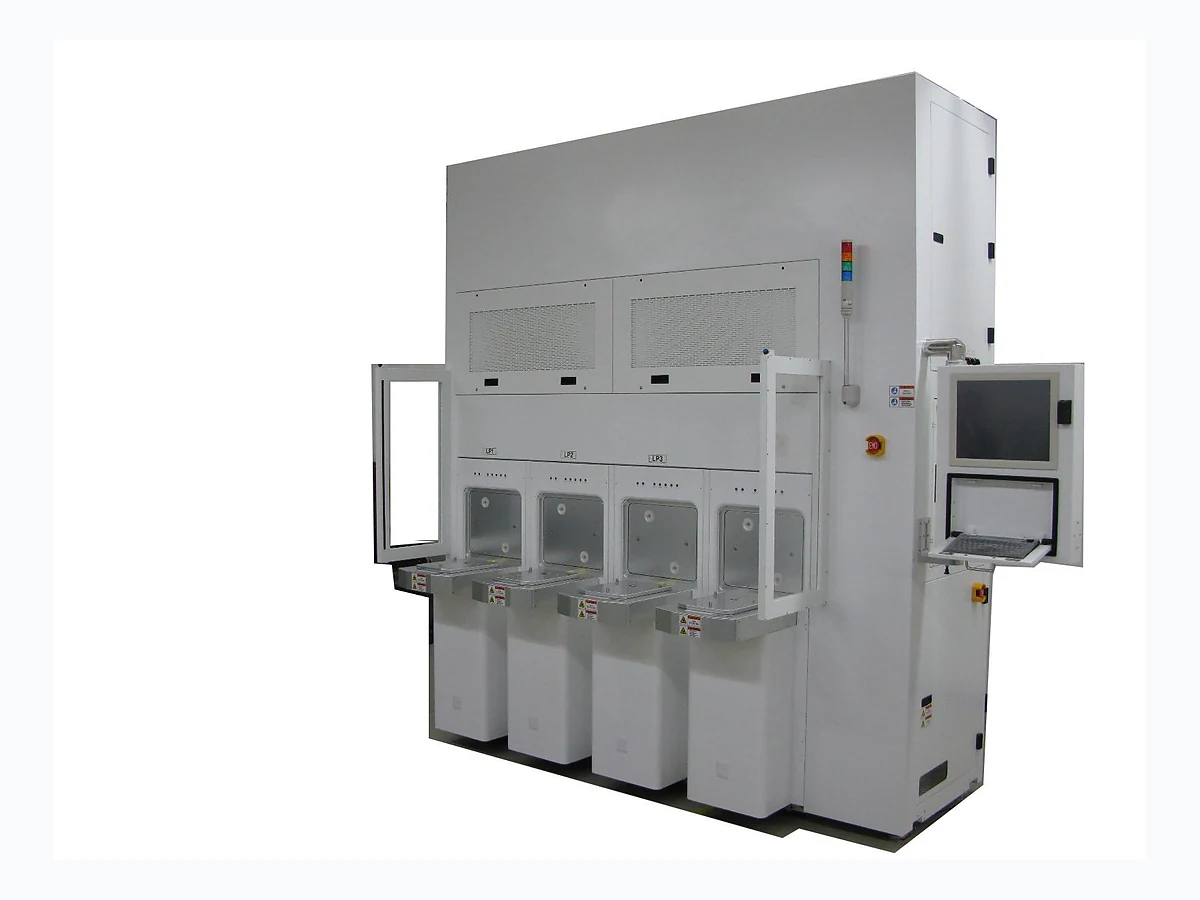
Docking, clamping, door actuation and related mechanical positioning mechanisms.
FOUP and carrier sensing, wafer presence, slot mapping and optical detection.
Rotary drives, motor assemblies, positioning mechanisms and motion feedback.
I/O circuits, interlocks, wiring, connectors and equipment communication signals.
Repair Coverage
We repair serviceable assemblies and related components across the EFEM handling path. Coverage includes the modules below, with the exact scope determined by equipment configuration and inspection findings.
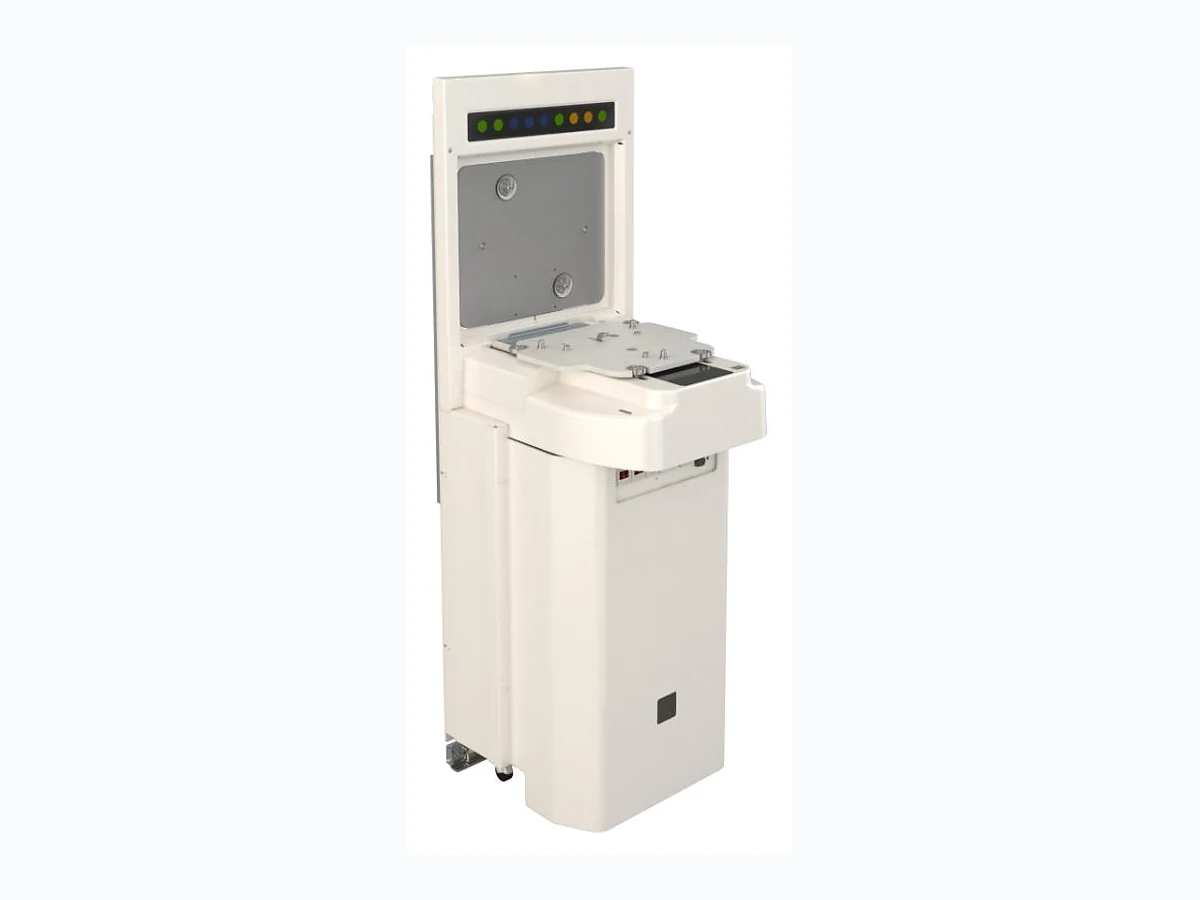
Repair of carrier loading, docking, clamping and FOUP door actuation assemblies.
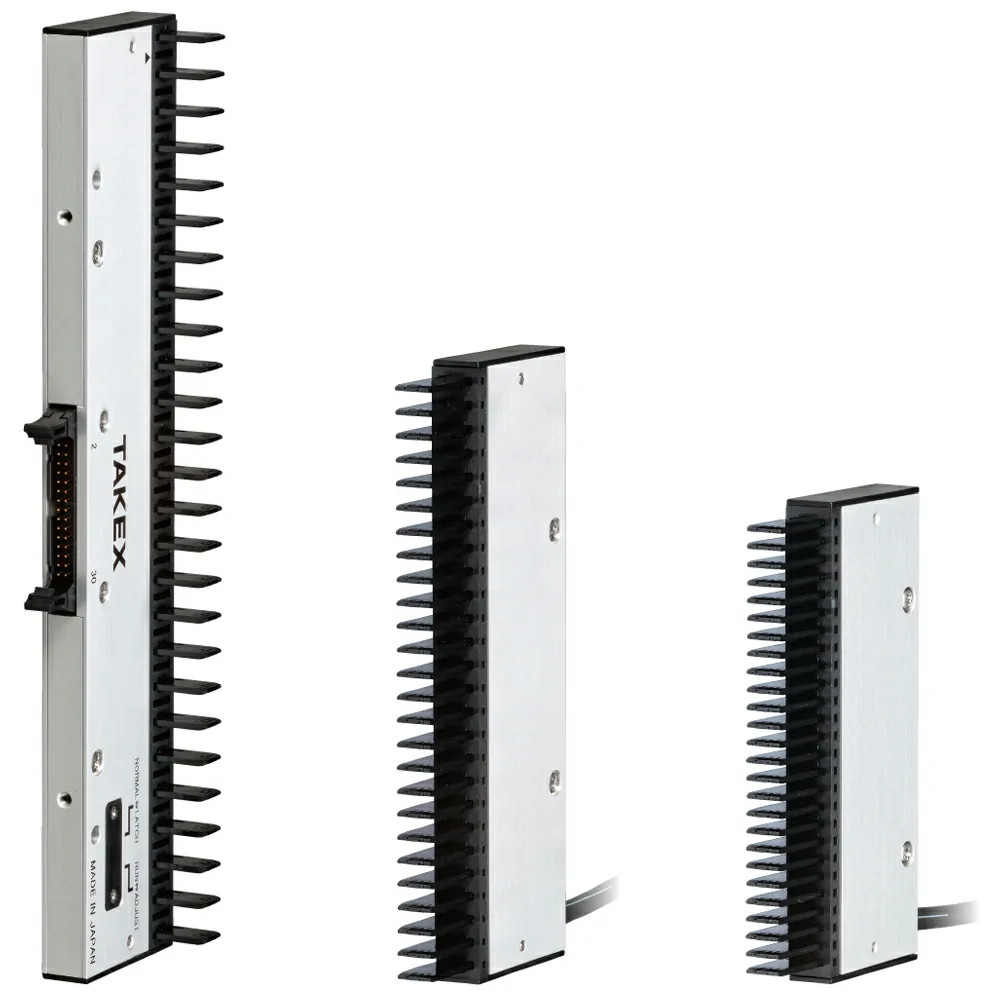
Inspection and repair for sensor-based wafer presence and slot identification.
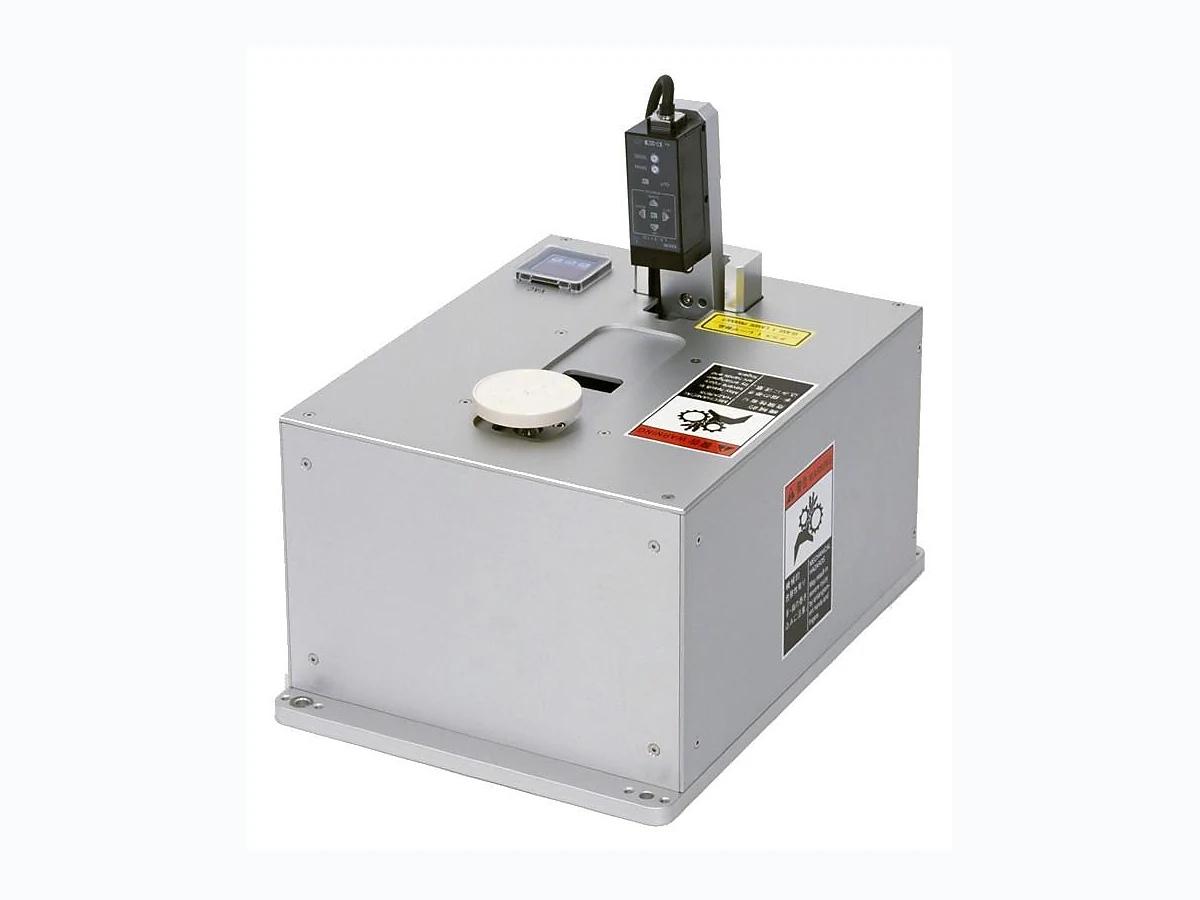
Repair for wafer centering, orientation and rotary positioning functions.
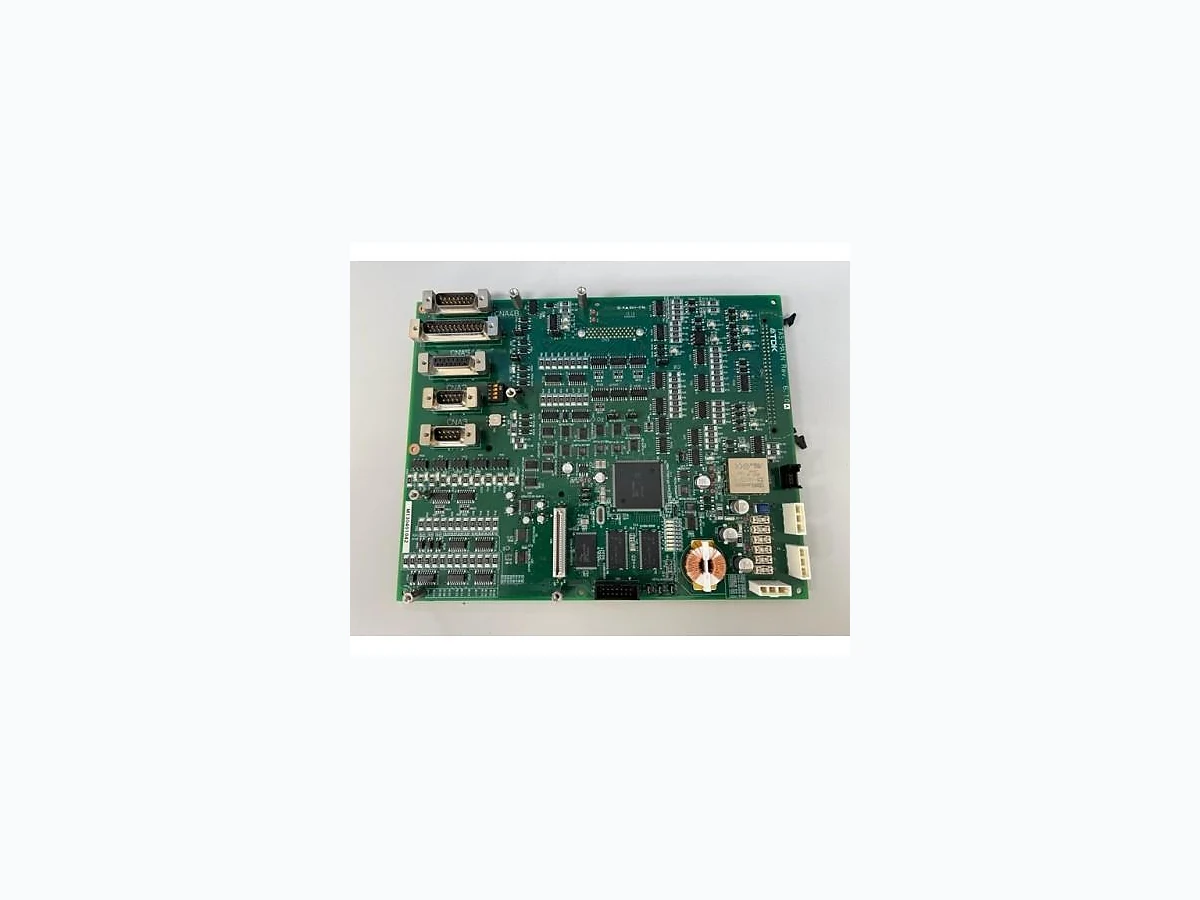
Assessment and repair of electrical or communication faults affecting module operation.
Robot-arm assemblies, wafer-transfer arms and joint mechanisms are handled through our Robot / Manipulator Repair service. If module repair is impractical, compatible options can also be reviewed through Semiconductor Equipment Parts.
Common Service Requests
When wafer transfer stops, the alarm may point to a load-port, detection, positioning or interface problem. These are common symptoms we assess to identify the affected service area.
The carrier is loaded, but the EFEM does not confirm FOUP presence or load-port readiness.
Check carrier position, presence-sensor response, connector condition and detection feedback.
The load port cannot complete carrier docking, clamping or position confirmation, leaving transfer on hold.
Inspect the docking mechanism, clamp movement, drive response, limit sensing and position feedback.
The opener does not start, stops during movement or fails to confirm the completed door position.
Check opener actuation, drive response, latch movement and open/close position feedback.
The mapping cycle is incomplete or the reported slot map does not match the expected wafer arrangement.
Review mapping-sensor response, optical path, alignment and slot-detection feedback.
Wafer presence is missed or reported inconsistently, including cross-slot or double-slot alarms.
Check sensor position, wafer-detection response, signal connections and carrier condition.
Wafer centering, notch orientation or rotation cannot complete, interrupting the next transfer step.
Inspect the rotary drive, wafer detection, notch sensing, holding condition and position feedback.
Configuration-specific I/O, interlock and communication faults can also be assessed when they interrupt EFEM handoff. For robot-arm and joint faults, see our Robot / Manipulator Repair service.
From Fault Report to Return
Each repair follows the reported fault and the affected assembly. Inspection, repair work and return checks are defined around the installed EFEM configuration and the agreed service scope.
Confirm the equipment model, EFEM configuration, affected module, alarm history and the transfer step where the fault occurs.
Check the related mechanism, sensors, drive components, connectors, feedback signals and control interfaces.
Repair serviceable parts, restore connections or mechanical adjustment, and assess refurbishment or compatible replacement when needed.
Check applicable docking, door operation, mapping, positioning, motion or interface functions within the agreed test scope.
Record completed repair work and applicable checks, note any test limitations, and prepare the assembly for return.
Protecting Your Investment
In semiconductor manufacturing, a hasty repair can lead to secondary wafer scrap. Our approach balances cost-saving component repairs with strict engineering boundaries to ensure reliability.
We trace connected handling functions to narrow down the exact failed assembly. By repairing the specific module (such as a load port drive or mapper sensor) rather than swapping the entire EFEM, you maintain original tool traceability and avoid long lead times.
Business Value: Lower ownership cost and shorter Mean Time To Repair (MTTR).
We do not force a repair when structural damage or contamination prevents a reliable fix. If the load-port frame has deformation that cannot be corrected, we recommend replacement to protect your production line from unreliable "patched" components.
Risk Management: Prevent secondary wafer scrap and recurring alarms.
Repairs are not just "powered on" for testing. We verify the specific functions affected by the original fault—such as carrier detection, docking feedback, and wafer mapping—ensuring the module is ready to resume its exact role in your tool.
Quality Assurance: Confident handoff back to your process line.
Typical Service Scenarios
These scenarios demonstrate our diagnostic logic and how we isolate module-level issues from machine-side errors.
On a multi-port EFEM, a specific port intermittently delayed the "docking ready" confirmation, while other ports confirmed normally. The delay held the door-opening sequence but did not always trigger a hard alarm.
Because the symptom stayed on one port across different FOUPs, carrier condition was ruled out first. The next split was between the docking actuator reaching position late versus the position-feedback sensor reporting late. Actuator stroke timing was within specification; the feedback signal at the fully-docked position was intermittent.
The docking-position feedback sensor on the affected port was replaced. The connector and harness were inspected and reseated; no damage was found.
Verification included multiple consecutive dock/undock cycles to ensure zero delayed-ready events, with door open/close timing compared across all ports.
Mapping results intermittently reported false empty slots in the upper half of the carrier, but only after the load port had completed a door-plate service cycle. Lower slots mapped consistently.
The symptom followed the port, not the carrier. Sensor response was stable when tested statically. The pattern—upper slots only, after door-plate movement—pointed toward a small alignment shift introduced during the door-plate service, not a sensor failure.
The mapping-sensor mounting reference was checked against the service datum and corrected. No sensor replacement was required.
A baseline map was re-established against a known arrangement after the mounting correction. A subsequent full carrier map showed slot-by-slot consistency across the full stack, including the upper slots that previously reported false empties.
Before You Request Service
Practical answers regarding turnaround time, evaluation process, and commercial terms.
Standard turnaround time depends on the affected module and required component replacement. We provide an estimated return date after the initial diagnostic evaluation and confirm it in the final quotation.
You send us the equipment model, part number, and fault symptoms. We perform an incoming inspection and baseline test. Based on this, we provide a formal engineering report stating whether it can be repaired, the recommended scope, the quote, and the lead time. No work proceeds without your written approval.
Yes. Where the fault is isolated to a serviceable load-port component (such as the FOUP opener, sensor, or drive), component-level repair is possible without replacing the complete EFEM assembly. This significantly reduces downtime and cost.
All component-level repairs and refurbishments carry an Up to 180-Day Repair Warranty against workmanship and replaced components under normal operating conditions. Specific warranty terms are detailed in the repair agreement.
Yes. If your existing module is beyond repair or the OEM timeline does not meet your production needs, our parts sourcing network can help locate a compatible replacement or refurbished unit as a bridge solution.
Send the equipment manufacturer and model, EFEM configuration, affected module or part number, alarm code, and the transfer step where the fault occurs. Photos or videos are highly helpful.
GK-SEMI · EFEM Repair
Share the equipment model, affected module and alarm sequence. Our engineering team will review the fault and provide a clear repair or replacement recommendation.
Discuss Your EFEM Fault