The price of a used die bonder can vary considerably, even when two machines come from the same manufacturer or belong to the same model family. One unit may include the options needed for immediate process evaluation, while another may require additional tooling, configuration work, or technical verification before it can serve the same purpose.
For semiconductor manufacturers, understanding these differences matters more than finding the lowest advertised price. A machine quotation reflects a particular piece of equipment, its installed capabilities, its condition, and the scope of supply offered by the seller. Without those details, comparing two prices can lead to the wrong conclusion.
The main factors behind used die bonder machine prices include the model and its application, the configuration installed on the actual unit, the condition of critical systems, and the amount of work required before production. Market demand and parts availability also influence what sellers can reasonably ask.
These factors do not carry the same weight in every purchase. A high-speed epoxy die bonder may be judged largely by its suitability for a volume packaging line, while a precision bonder for photonics or multi-chip assembly may be valued for positioning capability, process flexibility, or specialized tooling.
The most useful way to compare prices is to identify what each machine offers, determine which capabilities the intended process requires, and calculate the additional costs associated with each option.
Die Bonder Model and Application Determine the Starting Price
The model is usually the first detail buyers compare. It helps identify the machine platform, its intended applications, and the capabilities that may be available. However, a model name alone does not establish a reliable price.
Die bonders serve different parts of semiconductor assembly. Some are built for high-volume epoxy die attach, while others focus on eutectic bonding, soft solder, flip-chip placement, precision assembly, or multi-chip applications. The equipment architecture and process requirements differ, so their prices cannot be compared solely by the word "die bonder" in a listing.
High-volume production equipment
A die bonder used in high-volume packaging may be valued for its cycle time, material-handling arrangement, repeatability, and ability to support a stable production process.
For these machines, buyers need to understand how the advertised output relates to their actual product. Nominal cycle time does not necessarily translate directly into achievable units per hour. Die size, substrate layout, vision processing, bonding method, and material transfer can all affect actual output.
A faster machine may justify a higher price when its performance addresses a genuine production bottleneck. If the line does not require that capacity, the extra speed may offer limited financial benefit.
The relevant comparison is not simply which model is faster. It is whether the machine can meet the required output with acceptable process performance and operating costs.
Precision die bonding systems
Precision platforms may serve applications where placement accuracy, alignment capability, force control, or specialized handling is more important than maximum throughput.
Machines used in photonics, optical communications, sensors, and advanced packaging can have requirements that differ significantly from conventional leadframe assembly. Their value may depend on the installed vision system, available tooling, material handling, and compatibility with the intended bonding process.
A precision model may command a different price from a high-speed production bonder, but that does not make it automatically more suitable for every buyer. A manufacturer producing conventional packages may have little use for capabilities associated with a specialized precision platform.
The price comparison should reflect the application's technical requirements rather than a general ranking of machine sophistication.
Specialized bonding processes
Eutectic, soft solder, flip-chip, thermocompression, and other specialized processes can require different equipment arrangements. Heating systems, controlled atmospheres, force control, alignment systems, and process-specific tooling may affect both the machine's price and the cost of preparing it for use.
Two machines with similar physical appearances may therefore serve different applications and have different market positions.
Before comparing quotations, confirm that the equipment supports the required bonding method in its actual installed configuration. A machine that cannot perform the intended process is not a cheaper alternative; it is the wrong category of equipment.
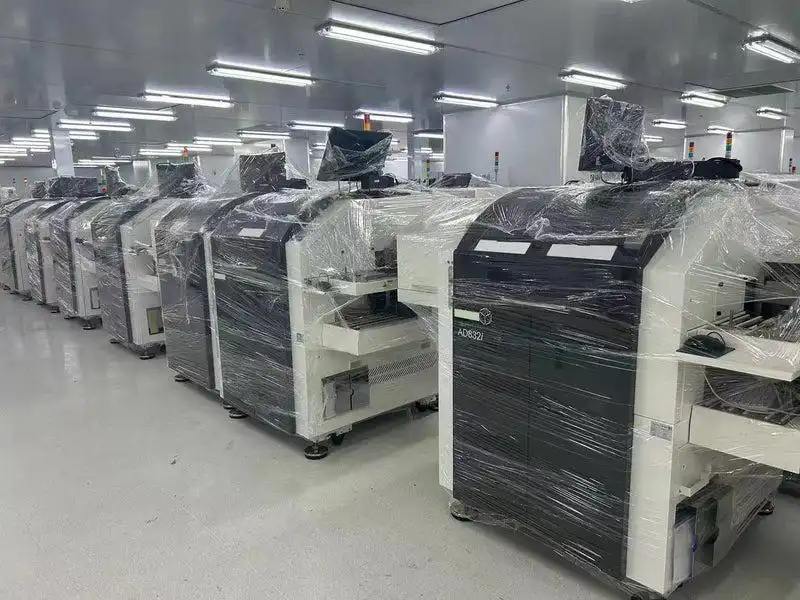
Brand Reputation and Model Availability Influence Market Pricing
Manufacturer reputation can influence demand in the used semiconductor equipment market, but brand alone should not determine the purchase decision.
Established platforms may attract buyers because they are familiar to production and maintenance teams. Existing technical knowledge, compatible tooling, and experience with the control system can reduce the effort required to introduce another machine of the same type.
That familiarity may support stronger demand for certain models. However, demand varies by application, configuration, condition, and the availability of comparable machines.
Why some models attract more buyers
A model used across a broad range of packaging operations may appeal to a larger group of potential buyers than a platform intended for a narrow application. A wider installed base can make it easier for buyers to evaluate suitability and understand common maintenance requirements.
This does not guarantee a higher asking price. If many similar units are available, competition among sellers may limit pricing. A less common model may also command a meaningful price when buyers need its specific capabilities and suitable alternatives are difficult to find.
Market availability should therefore be considered alongside demand, not in isolation.
The effect of discontinued models
A discontinued machine may still be useful in a production environment, particularly when a manufacturer already operates the platform and needs additional capacity or a replacement unit.
The key question is whether the equipment remains practical to operate. Buyers need to consider the availability of critical components, technical documentation, software dependencies, and maintenance resources.
A discontinued model with a well-understood configuration and a viable maintenance path may remain attractive. Another machine of similar age may be difficult to justify if essential parts or technical support are uncertain.
Discontinued status does not automatically make a machine inexpensive or expensive. It changes the questions that should be asked before accepting the quotation.
Installed Configuration Is a Major Price Difference
The installed configuration is often the most important detail to clarify after identifying the model. Equipment from the same model family may have been supplied with different options, material-handling systems, tooling, software functions, and process modules.
Those differences can affect the capabilities included in the quoted price.
For example, one unit may include a wafer-handling system and the required ejector arrangement, while another may use a different input format or lack an option needed by the buyer. Both machines may carry the same model designation, but they do not necessarily represent equivalent purchases.
Options that directly support the intended process
A machine option is commercially valuable when it enables a required operation, improves a meaningful production constraint, or avoids additional engineering work.
Depending on the model, relevant options may include:
Wafer handling and ejector systems
Vision and alignment functions
Dispensing equipment for adhesive bonding
Heating systems for particular bonding processes
Bond head or force-control arrangements
Die rotation and specialized placement functions
Substrate handling and loading modules
Process software and available control functions
This list is not universal. Not every machine supports every option, and the presence of a feature should be confirmed for the actual unit.
The buyer's task is to identify which functions are necessary. Paying more for an option that will not be used may increase the purchase price without improving production performance.
Missing options can make a low quotation misleading
A lower-priced machine may require additional components before it can support the intended process. The buyer may need to source tooling, add a handling module, modify the setup, or determine whether the required option can be installed at all.
The cost is not limited to the component itself. Additional work may involve engineering time, installation, software configuration, and process verification.
In some cases, an option may be difficult to source or may not be available for a particular model generation. The buyer should confirm feasibility before assuming that the missing capability can be added later.
A quotation that clearly identifies the installed configuration is therefore more useful than one that describes only the general model family.
Software and controller differences deserve attention
Software versions and control-system configurations can affect compatibility with existing production procedures, recipes, material formats, and maintenance practices.
A machine that appears mechanically complete may still require additional work if its software environment does not support the intended operation. The impact depends on the platform, available documentation, licensing requirements, and the buyer's existing systems.
These issues are not always visible in photographs or a brief equipment description. They should be clarified before comparing the final cost of two machines.
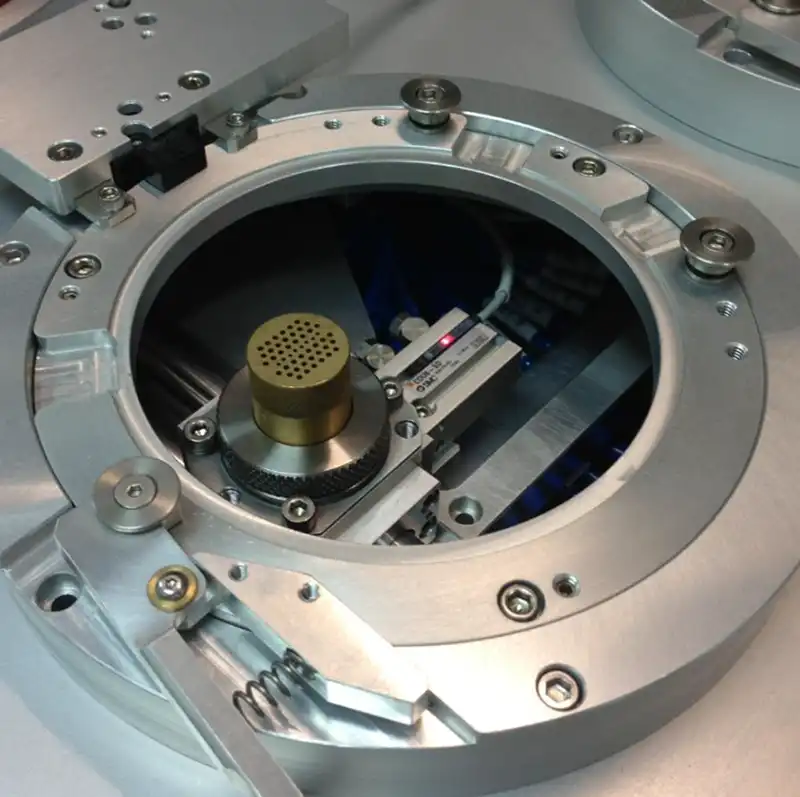
Equipment Condition Affects the Price Buyers Should Accept
Condition is not a single rating. A machine may have a clean exterior but require attention to a critical subsystem. Another unit may show normal cosmetic wear while retaining the functions needed for its intended application.
The price should reflect the condition of the actual equipment and the evidence available to support that assessment.
Mechanical condition and motion systems
Motion components, positioning mechanisms, bond heads, and material-handling assemblies can affect machine performance. Wear, instability, or unresolved faults may lead to repair costs or reduce confidence in the machine's ability to operate consistently.
The importance of a particular component depends on the machine design and intended process. Buyers should focus on systems that directly affect placement, bonding, handling, and repeatability rather than treating cosmetic condition as the main indicator of quality.
Where a functional test is available, the test should provide relevant evidence about the machine's operation. A simple power-on demonstration may establish that the equipment starts, but it does not necessarily demonstrate stable performance throughout a production run.
Vision and alignment condition
Vision systems play an important role in die recognition and placement on many die bonders. Their condition and calibration can affect whether a machine meets the alignment requirements of a particular application.
A published accuracy specification describes a rated capability under defined conditions. It does not establish that every used unit still performs to that specification.
When precision matters, the buyer should request suitable test evidence or arrange an evaluation that reflects the intended application. The machine's configuration, calibration status, and test conditions should be considered together.
A unit with credible performance evidence may justify a different price from a similar machine whose current capability remains uncertain.
Dispensing and bonding systems
For adhesive die attach, the dispensing system can influence the machine's usefulness. Nozzle condition, pump performance, material delivery, and calibration may affect the consistency of adhesive placement.
For other bonding processes, heating, force control, or atmosphere-related systems may be more relevant. The specific risks depend on the machine and the bonding method.
Condition assessment should follow the process architecture. Applying the same inspection priorities to every type of die bonder can overlook the components that matter most to a particular application.
Maintenance history and test evidence
Maintenance records help buyers understand what work has been performed and whether known issues remain unresolved. Records of repairs, replaced components, calibration, and functional testing can make a machine easier to assess.
Missing records do not automatically make a machine unsuitable, but they leave more uncertainty. Buyers may need additional verification before deciding whether the quoted price reflects the equipment's actual condition.
A useful quotation should distinguish confirmed condition information from assumptions. If a seller cannot verify a particular function, that uncertainty should remain part of the purchasing decision rather than being treated as proof that the function works.
Refurbishment Level and Scope of Supply
Used equipment is not always sold in the same condition or with the same preparation work completed. One supplier may offer a machine in its existing condition, while another may include defined testing, repairs, cleaning, or refurbishment.
These offers can have different prices because they include different work and carry different levels of condition certainty.
The term "refurbished" should not be treated as a complete technical specification. Buyers need to understand what was done, which functions were tested, and what evidence is available.
What the quotation actually includes
Before comparing prices, establish whether the offer includes:
The machine in the stated configuration
Listed accessories and tooling
Functional testing or a demonstration
Specific repair or refurbishment work
Documentation available for the unit
Packing and preparation for shipment
Installation or commissioning, if agreed
A defined warranty or after-sales scope, if offered
Not every quotation will include these items. Some may cover the machine only, while others may provide additional services under a defined scope.
The important point is to compare equivalent deliverables. A higher quotation may include work that the buyer would otherwise have to arrange separately. A lower quotation may be reasonable if the buyer has the technical resources to handle that work independently.
Refurbishment should address relevant needs
The value of refurbishment depends on the work completed and its relevance to the intended application.
Cosmetic improvements may make equipment presentable, but they do not replace verification of critical functions. Likewise, replacing a component does not establish that the entire machine meets the buyer's production requirements.
Buyers should ask for a clear description of the work performed and any limitations that remain. That information provides a stronger basis for comparing offers than a general label alone.
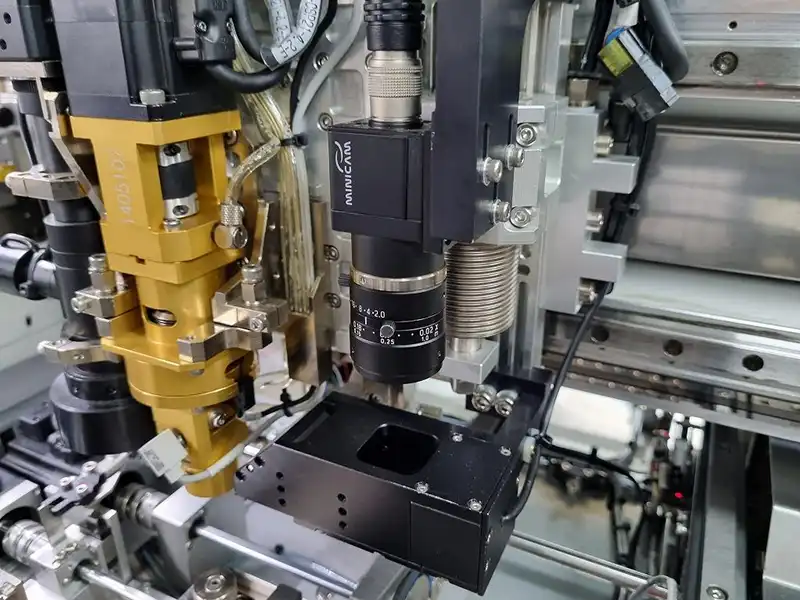
Why Similar Machines Can Have Different Quotations
Two suppliers may quote different prices for machines with the same model number. That difference does not, by itself, establish that one seller is overpriced or that the other has found a bargain.
The offers may differ in configuration, condition, test evidence, included accessories, preparation work, delivery terms, or after-sales scope.
For example, one quotation may cover a machine in its existing condition, with the buyer responsible for arranging inspection and any necessary repairs. Another may include documented functional testing and specific preparation work before shipment.
The second offer may have a higher initial price, but the buyer should compare the additional cost against the work and uncertainty it removes. Equally, the higher-priced offer is not automatically better; its included services must be clearly defined and relevant.
There can also be differences in availability. A machine already identified and ready for evaluation may suit a project with a tight schedule better than a unit whose configuration or condition remains unclear.
The right comparison starts with a common scope of supply. Once the differences are identified, the buyer can assess whether each price is justified.
A Practical Method for Comparing Used Die Bonder Prices
Price comparison becomes more useful when every candidate machine is evaluated against the same requirements.
Step 1: Define the required application
Establish the bonding process, die dimensions, substrate format, placement requirements, and expected production output. These details determine which machine capabilities matter.
Without them, buyers may spend time comparing equipment that cannot support the intended process.
Step 2: Identify the actual unit
Record the manufacturer, model, manufacturing year where available, and installed options. Confirm that the quotation refers to the specific machine being offered, rather than a general model description.
If two machines share a model name, document the configuration differences before evaluating their prices.
Step 3: Confirm the condition evidence
Review available functional test results, maintenance records, known faults, and any relevant inspection findings. Distinguish verified information from items that still require confirmation.
The objective is not to assume that every used machine is in poor condition. It is to understand the evidence supporting the price of each unit.
Step 4: Establish the full scope of supply
Check which options, tooling, accessories, testing, repairs, and services are included. Confirm what remains the buyer's responsibility.
This step often explains why two quotations that initially appear similar are not directly comparable.
Step 5: Estimate additional costs
Include relevant transportation, installation, repairs, tooling, configuration work, and production preparation. Use confirmed quotations where possible, and keep uncertain items visible rather than assigning them an arbitrary value.
Step 6: Compare against the production requirement
Consider whether each machine can perform the intended task and whether its capabilities justify its price. Extra capacity, specialized options, or a more recent manufacturing year should not automatically receive a premium unless they offer a practical benefit.
The result should be a comparison of usable equipment capability and total acquisition cost—not a ranking based on asking price alone.
Total Acquisition Cost: The Price Beyond the Quotation
The machine price is only one part of the financial commitment. A buyer may also need to budget for transportation, packing, installation, repairs, tooling, engineering, and process qualification.
A simple calculation is:
Total acquisition cost = equipment price + logistics + installation + necessary repairs + tooling or configuration work + production preparation.
The formula is a framework rather than a fixed list. Some costs may already be included in the supplier's quotation, and some may not apply to a particular machine.
Logistics and installation
Delivery arrangements depend on the machine's size, destination, packing requirements, and handling needs. Site preparation, utilities, and installation resources may also affect the final cost.
When comparing international offers, check which delivery terms apply and which expenses remain outside the quoted price. Do not assume that two advertised prices cover the same stage of delivery.
Repair and engineering work
Known faults should be assessed in terms of likely corrective work. If a critical component requires replacement or a missing option needs to be sourced, include the expected cost where it can be established.
If the cost remains uncertain, record the uncertainty and seek further information before treating the quotation as final.
Production preparation
A machine may need calibration, recipe setup, process verification, or other preparation before it can be used for production. The scope varies with the application and the buyer's technical resources.
A buyer already familiar with the platform may be able to prepare it more efficiently than a facility introducing an unfamiliar machine. That difference can affect the economics of the same equipment offer.
The most useful price comparison reflects the actual situation of the buyer, not a hypothetical buyer with different resources or production needs.
Market Demand, Parts Availability, and Future Use
Market conditions can influence used die bonder prices, but they are difficult to assess from a model name alone.
A machine may attract interest because several manufacturers use the platform or because its capabilities match a particular packaging process. A specialized model may have a smaller market but remain relevant to buyers who require that process.
Parts availability can also influence the price buyers are prepared to accept. If essential components are difficult to obtain, future maintenance may become more complicated. The impact depends on the specific system and the availability of alternative technical support.
Buyers planning to keep a machine for an extended period should consider its likely maintenance path and compatibility with future production requirements. Those purchasing equipment for a shorter project may weigh the same factors differently.
Future resale value is another consideration, but it should not replace an assessment of immediate suitability. A machine with a broad potential buyer pool may be easier to resell, while a specialized platform may be more dependent on a narrow set of applications.
Neither outcome can be guaranteed. Market demand changes, and the condition and configuration of the specific machine remain important.
Common Mistakes When Evaluating Die Bonder Prices
Comparing model names without comparing configurations
The same model family may include different options or process arrangements. A price comparison that ignores these differences can make two unequal offers appear equivalent.
Treating the newest manufacturing year as the best indicator
Age is useful context, but condition, maintenance, configuration, and process compatibility determine whether a particular unit is suitable.
Assuming a low price means a low-cost purchase
A lower quotation may exclude work or components that another offer includes. The total investment can change once those items are considered.
Paying for features that the production line does not need
Additional options can be valuable, but only when they serve a relevant purpose. Unused capabilities may increase the purchase price without improving output or process performance.
Accepting broad condition descriptions without supporting evidence
Terms such as "working," "tested," and "refurbished" can mean different things. Buyers should establish what was checked, what work was completed, and which limitations remain.
Ignoring the cost of bringing the machine into production
A machine that arrives at a low price may still require significant preparation. The cost comparison should include the work necessary to make the equipment useful for the intended process.
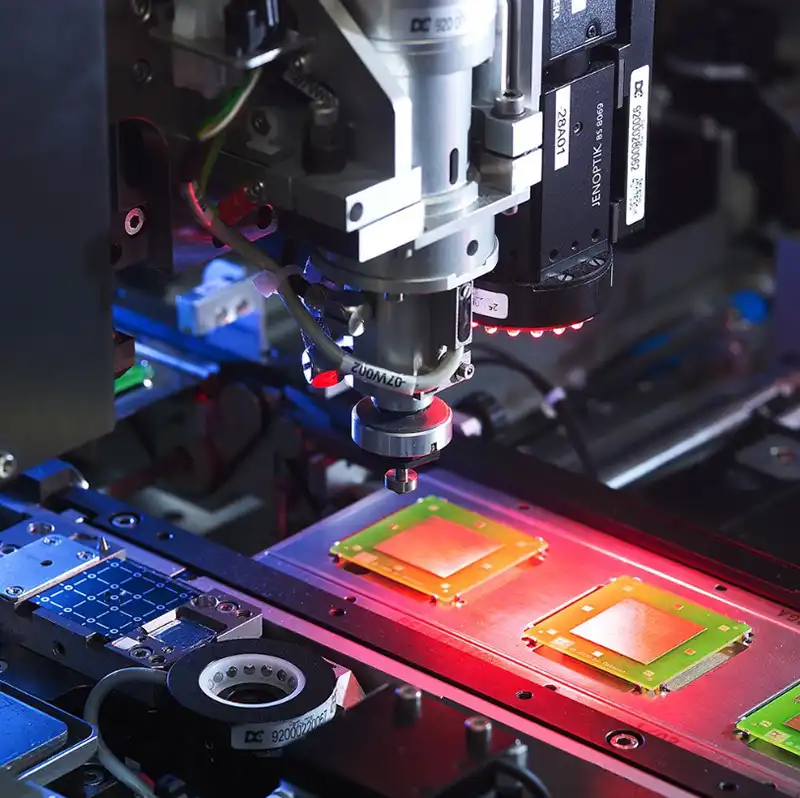
What Buyers Should Expect From a Used Die Bonder Supplier
A useful equipment quotation should make it possible to understand what is being offered and which details still need confirmation. For a technical purchase, clarity about the actual machine matters more than broad claims about a model family.
As a supplier of used semiconductor equipment, GK-SEMI assesses die bonder options in relation to the model, installed configuration, condition information, and intended application. This helps buyers compare available equipment against their requirements rather than relying on model names alone.
When requesting a quotation, buyers can make the process more efficient by providing the bonding method, die size, substrate format, required accuracy, throughput target, and preferred model or acceptable alternatives. These details help narrow the options and identify configuration questions early.
The quotation should then clarify the specific unit, what is included, available condition or test information, delivery arrangements, and the scope of any agreed support. Details that cannot yet be verified should be identified clearly.
This approach does not eliminate every uncertainty associated with used equipment. It provides a clearer basis for deciding whether the quoted price matches the machine's capabilities and the work required to use it.
Frequently Asked Questions About Die Bonder Machine Prices
What factors affect the price of a used die bonder machine?
The main factors include manufacturer and model, installed configuration, machine condition, process capability, included accessories, test evidence, and market demand. Transportation, installation, repairs, and production preparation also affect the total acquisition cost.
Why do two used die bonders of the same model have different prices?
They may have different options, tooling, software versions, operating histories, condition, or included services. The seller's preparation work and delivery terms can also explain price differences.
Does a higher price mean a better used die bonder?
Not necessarily. A higher price may reflect a more suitable configuration, better condition evidence, or additional services, but buyers should verify what the quotation includes. The best option is the one that meets the intended process requirements at an acceptable total cost.
Is it better to buy a refurbished die bonder?
That depends on the refurbishment scope and the buyer's technical resources. Buyers should establish which components were serviced, which functions were tested, and whether the remaining condition meets their requirements. The label "refurbished" alone is not enough to compare offers.
Should buyers prioritize model, condition, or configuration?
The three factors serve different purposes. The model establishes the equipment platform, configuration determines which functions are installed, and condition indicates how reliably the specific unit can perform. Their relative importance depends on the intended application.
What additional costs should be included when comparing prices?
Potential costs include transportation, packing, installation, necessary repairs, missing tooling, configuration work, calibration, and production preparation. The exact list depends on the machine and the terms of supply.
Can a discontinued die bonder still be a good purchase?
Yes, if its capabilities meet the application and there is a practical way to maintain and operate it. Buyers should pay particular attention to critical spare parts, software dependencies, technical documentation, and the availability of maintenance resources.
Final Thoughts
Used die bonder machine prices reflect more than the manufacturer or model number. Configuration, condition, application suitability, included services, and the work required before production all contribute to the final cost.
A meaningful comparison starts by establishing what each machine can actually do and what the quotation includes. Buyers can then evaluate the additional expenditure and decide whether a price difference is justified by a real production benefit.
The lowest quotation may be the right choice when the equipment meets the requirements and the remaining costs are manageable. A higher-priced machine may be more economical when it provides the required configuration, credible condition evidence, and a clearer path to production.
The goal is not to find the most expensive machine or the cheapest listing. It is to identify the used die bonder that offers the right combination of capability, condition, and total acquisition cost for the intended operation.